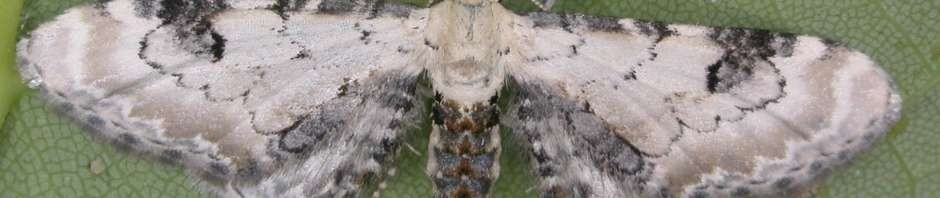
This meeting was set up to target Royal mantle, a moth that has been recorded on this site in the past but not for a few years. With hindsight we should have surveyed for this moth a bit later in the year given how the season is going so far as we were probably a bit too early for it to be on the wing.
7 lights were operated (mainly 125w MVs but one actinic was used too), with most traps placed along the track between the scrub woodland and the open breck grassland and a couple within the mixed Oak/Pine woodland. This was the first meeting I’ve been to this year where the traps were actually full of moths, all other times I’ve been out they have been very empty! This was despite the fact the sky cleared out and there was a bright moon shining. Stayed warm though. One of the commonest species was Small elephant hawk, which started coming in as soon as the lights were turned on and was still coming in at switch-off, nice to see. At the end of the recording session I had 133sp in my notebook, an excellent total for once!
The main highlight of the evening was the capture of at least 6 Alder kitten. With no previous records of this species from this quite well recorded site it looks as if it could be a recent colonist crossing over from Norfolk. This ties in with other records of this moth in the last few years along the Suffolk/Norfolk boundary. This somewhat overshadowed the 3 Red-necked footman we also recorded. Again, this is a species that looks to have colonized following a spate of recent records. Other moths of note included: Brindled white spot, Rosy marbled (one worn individual), Phtheochroa sodaliana (1), Larch pug (1), Cream spot tiger, Clouded buff (lots came in late on in the night), Sharp-angled carpet (lots), Shaded pug, Reddish light arches (2), Platytes cerussella (1), Small white wave (1), Ancylis upupana (1), Cochylis nana (1), Festoon (1), Lobster (a few), Epinotia demarniana (1), Crombrugghia distans (Breckland plume) (1), Beautiful golden Y (1), Alder moth (1), Great prominent (a few of these, I would class them as late as they have gone over at my site), Pale shouldered brocade (2), Broom (1) and Sitochroa verticalis (1). None of the micro species seemed to be present in large numbers going with the recent trend with these of low numbers – where were all the Crambids for example?
Neil
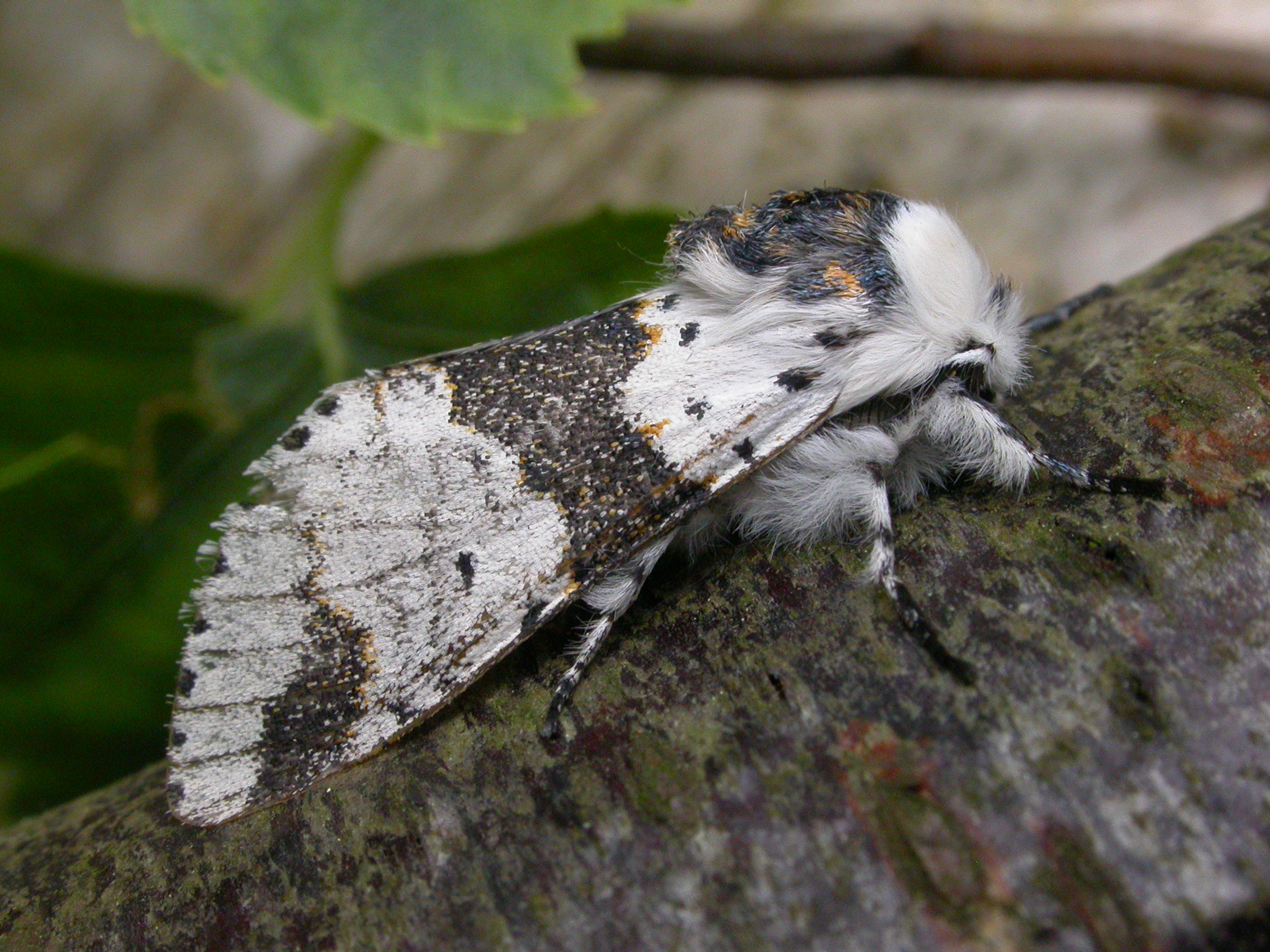
Male Alder kitten
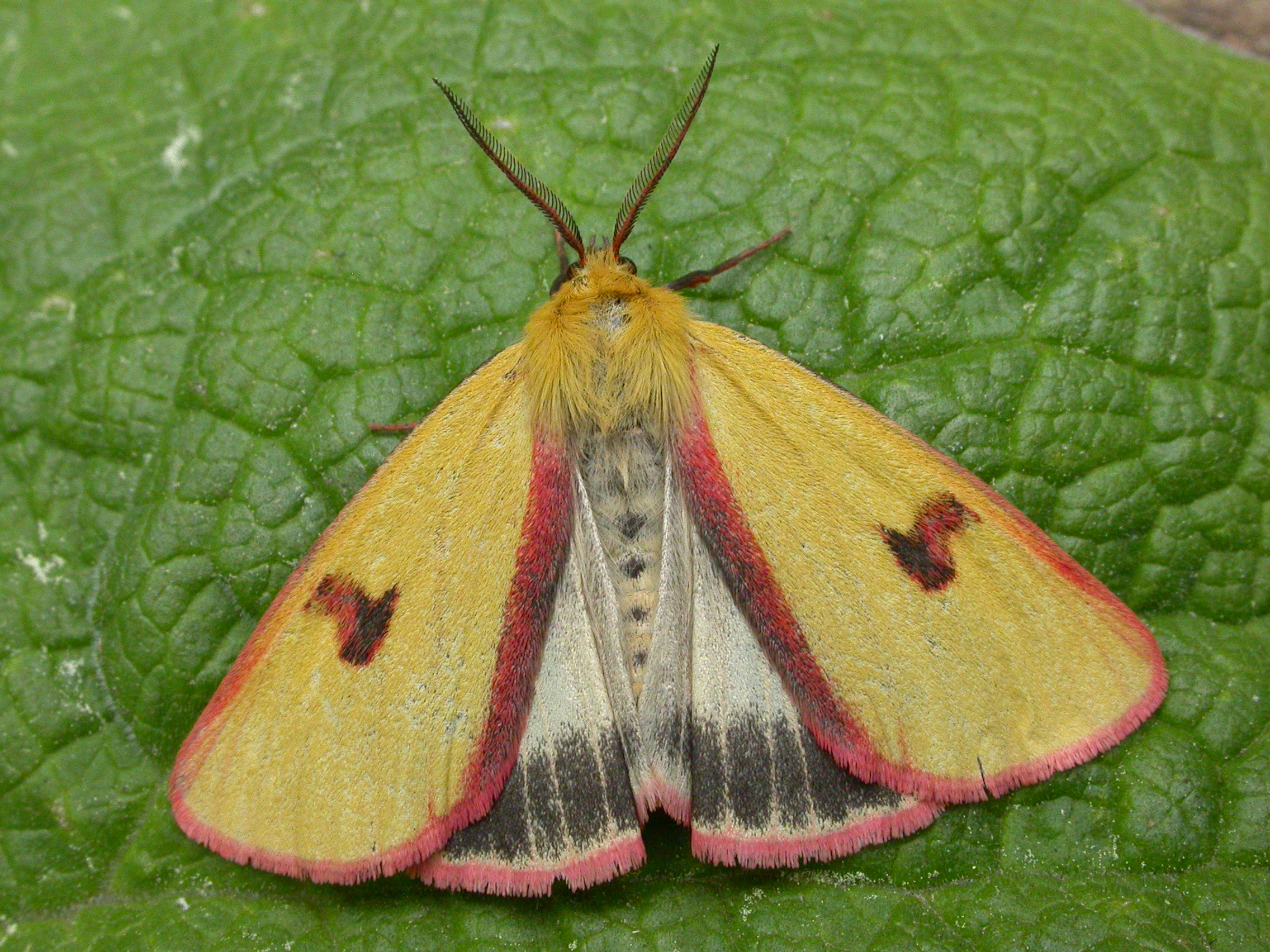
Clouded buff
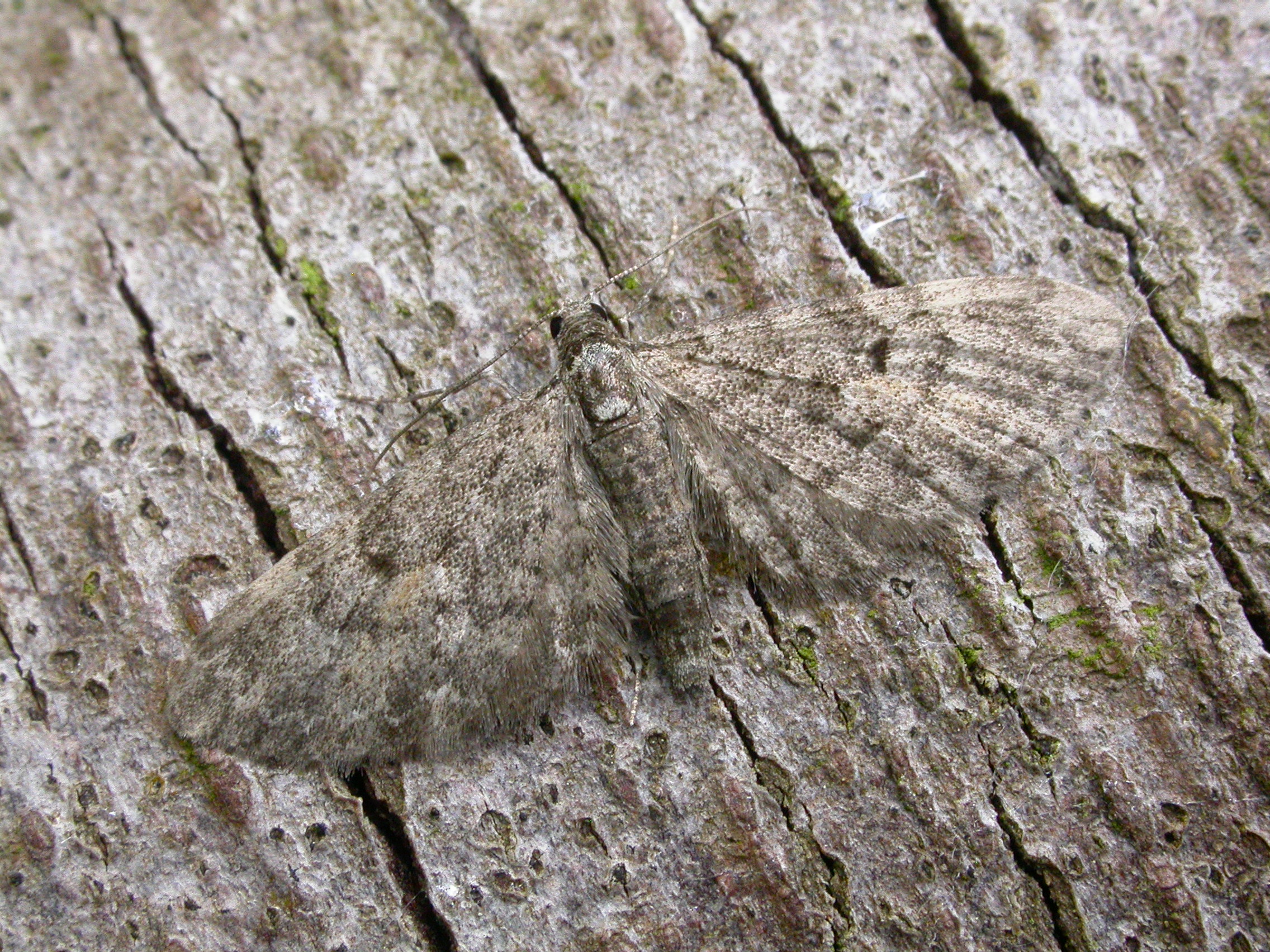
Larch pug
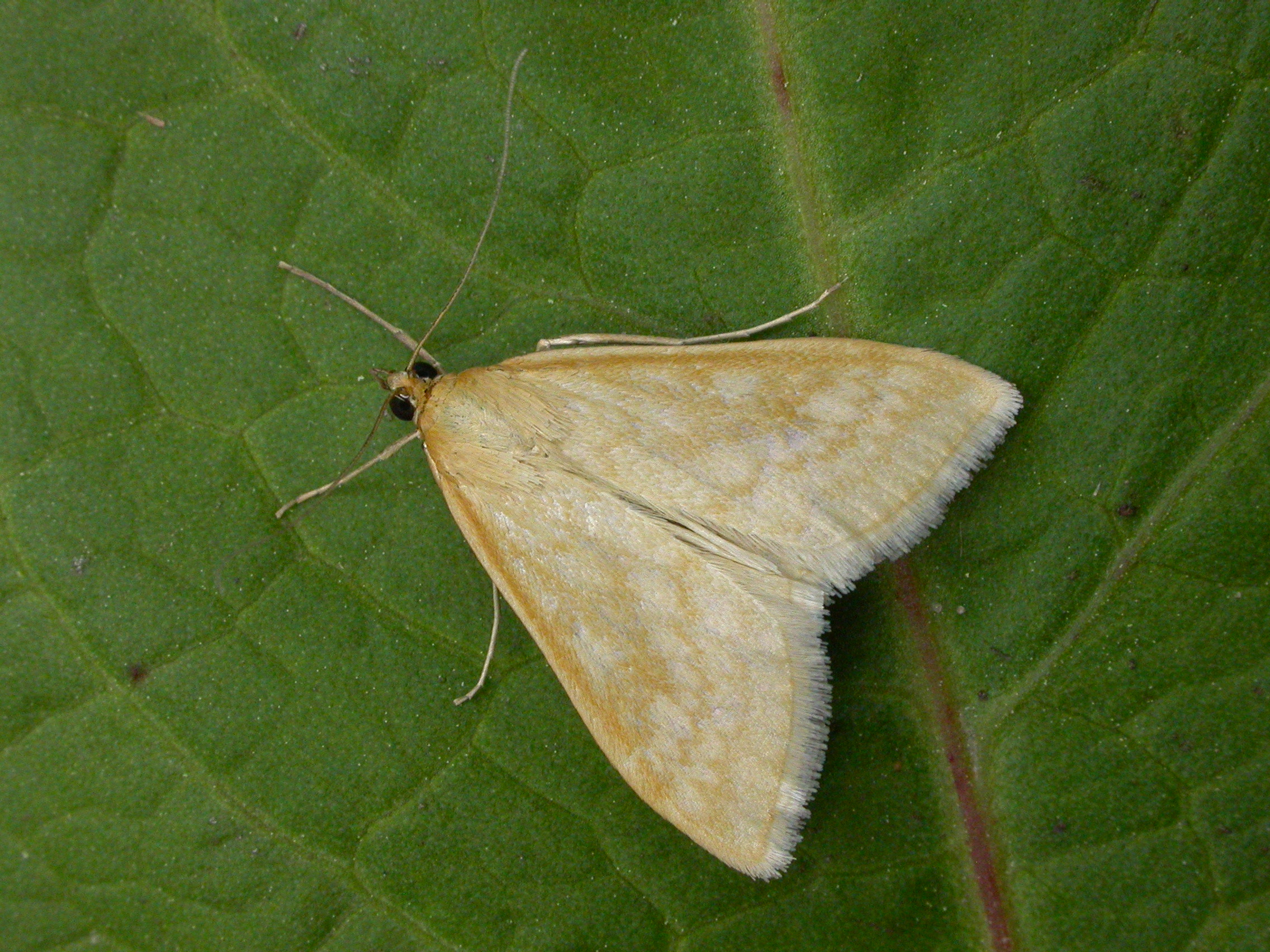
Sitochroa verticalis