My first post for a while as I’ve been so very busy.
The moth season has really got going at Bawdsey Hall this week with catches totalling in the region of 120 – 130 species most nights. Six traps are currently being operated most nights and they have been heaving with moths! Cockchafers have also been arriving in numbers with 150 on one night.
Highlights have included many new species for the site, as I have only been trapping here for a year. The anniversary is in a few days time.
The most significant capture so far this year has been the first Agrotera nemoralis for Suffolk trapped on the Summer Solstice last night. It really is one of the most attractive of pyralids. I instantly recognised the moth once spotted in the Robinson trap but feared it would fly off. Fortunately the moth was secured for photography. I have seen it previously in the Hornbeam woods of Kent. A Pearly Underwing also arrived last night.
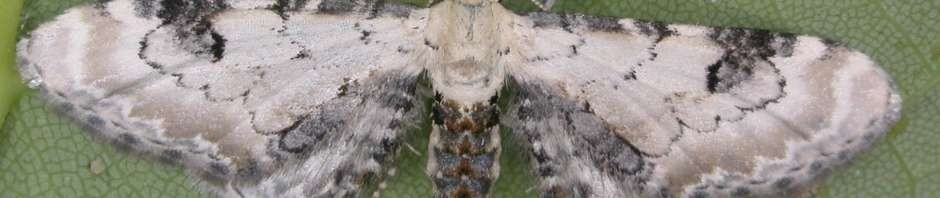
A Pinion-spotted Pug on the night of 9 June was another unexpected capture. I believe it to be the first Suffolk record since the Tunstall moth a decade ago. A species as a group we have looked for on numerous occasions since. It does seem to be shy of light and of interest my moth was attracted to a Tungsten light trap I operate.
Amongst the more interesting macros this week have been Ghost Moth, Figure of Eighty, Oak Hook-tip, Red-green Carpet (late individual), Shaded Pug, Dwarf Pug (second site record after one the other week); Small Yellow Wave; six species of hawk-moths – no Pine yet, regular Poplar Kittens, four Puss Moths, Water Ermine, Cream-spot Tiger, two Lunar Yellow Underwings, Flame & Silky Wainscots, Pale Pinion (late example, what a year this moth has had, I’ve lost count how many of this recent colonist I’ve trapped this season, but no semibrunnea strangely enough?) and Bordered Sallow.
Pyralids have included Apomylois bistriatella – only the second time I have seen this species at Bawdsey – the last time was at the Manor in August 2007. Anerastia lotella appears every few days. Other than that its just the usual common pyralidae.
Earlier in the season the highlight was the capture of no fewer than five Chamomile Sharks – a species I had never caught before. As a direct response to this exciting find, Chamomile plants have been purchased and planted within the grounds of the Hall to encourage the species further.