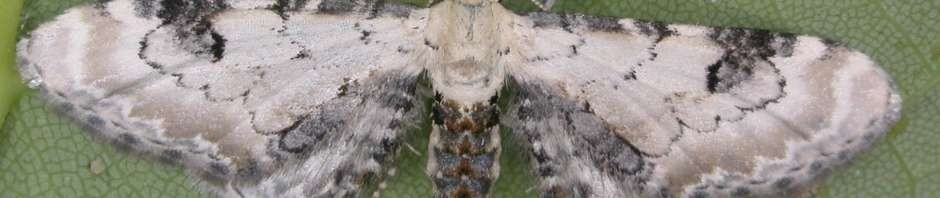
Brian and I went to Herringfleet Hills last night expecting good results. Dusking with the net turned up 6 species one or two of which didn’t show in the usual five traps. Flame Wainscot showed with two at conventional light. I expect them to be in good numbers in the not too distant reedbeds, other moths I’ve chosen to mention being; Birds Wing, Light Brocade, Shoulder-striped Wainscot, Rivulet and Small Rivulet, Straw dot, Common Swift, Small Phoenix. Most common moth Brown silver-lines , very few caddis, no Brimstone moth! Best micro identified at time of blogging, Carpatolechia proximella. Brian has now gone through the micros and done well identifying the best record, Glyphipterix fuscoviridella.
Around 10.15 the lost lady could be heard approaching. A holiday maker complete with life jacket arrived. Drawn across the marshes by a moth light placed out there. She had been forced to abandon her dingy on the river and couldn’t make it back to her hired broads cruiser, was given some directions by a reluctant local and thought she was following the path, infact wandering luckily in a straight line across the marshes close to the edge of the woodland, She was panicky and wanted us to call the police to let her husband, who was on the cruiser, know that she was safe. Establishing where the boat was moored and knowing the area very well I escorted the lady to the boat, through thigh high wet grass at times for a round trip of 35 minutes or so, leaving Brian with the traps. Arriving at her boat the womans husband was still reading the book he was reading when she had left him a couple of hours earlier, oblivious to her adventure. She was really lucky not to be trapped out on the marshes all night cut off by dykes! It was heading back that my first Flame Wainscot was drawn to my lantern and I also managed to get a record for Nightjar on the hills when distant enough across the marshes to hear its call.
Keith
Yes, more like you would expect late May with around 300 moths trapped in the 3 and half hour session. 14 species of micros were identified including E. ministrana, B. lancealana, C. atricapitana, C. spectrana and the best of which for me was Glyphipterix fuscoviridella.
Brian