All this gloom about the crash in numbers. Here is something to cheer you up. Ivy is in flower and is already pulling in the moths. A mild evening on the 12th had me knocking on Tony Fox’s door to join me in checking a fabulous stretch of ivy along Alton Hall Lane in Stutton. It is west-facing so receives a good helping of afternoon sun, bringing on some early flowers. In an hour we noted in excess of 50 moths of 12 species. Either side of our joint effort, Tony recorded four other species.
We didn’t catch the ivy bug until October last year, but in the time left in that season we still managed to record 25 species before the month was out. Starting earlier this year (with only 10% of the ivy seemingly in flower currently) we would hope to get the village ivy list to between 30-40 species.
Back the title of this post. I thought it would be an enjoyable exercise to gather a Suffolk ivy list this autumn. Enjoyment aside, putting a figure to the importance of ivy for moths as a nectar source would add to existing wildlife facts – Holly Blue foodplant, shelter for birds and bats etc, etc. I often hear figures quoted for invertebrate usage of ragwort – wouldn’t it be nice to set the ball rolling for ivy?
I hope that this will spur you in to action, get recording (go on, put those traps away for a bit) and post your results on the blog. If you do, I would be happy to receive end of season scores to come up with a grand total Suffolk figure.
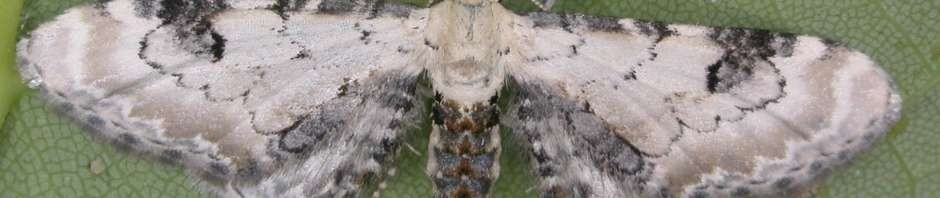
For your interest, here our results from the 12th – Square-spot Rustic (20+), Large Yellow Underwing (6), Lesser Yellow Underwing (4), Vine’s Rustic (2), Snout (2), Angle Shades (3), Emmelina monodactyla (2), Agonopterix arenella (2) and singles of Light Emerald, Brimstone, White-Point, Double-striped Pug, Setaceous Hebrew Character, Common Wainscot, Turnip and Flounced Rustic.
 . I would also suggest resizing them to a max of 1200 pixels wide although I tend to go for a maximum of 900 pixels wide.
