IGC 20th June – Garden traps come up trumps.

Ran both a 125w MV plus the twin 30w actinic traps in the garden Thursday night, and between them they produced my highest species count of the year so far – 81sp. Best moth a Rosy marbled in the 125w, a scarce species at this site. Other notables for IGC included Pammene albuginana, Small elephant hawk (4 – seems to be having a good year), Taleporia tubulosa, Heart and club (first for year), Blastodacna hellerella, Alder moth (dark form) and Monopis crocicapitella. On my theme of Heart and darts, 7 seen, mainly in the actinic. My only migrant a single Plutella xylostella, and that may have only ‘migrated’ from my vegetable patch where they can be a common sight!
Seeing the numbers of species and moths that the recorders have been catching on the coast in the last week seems to give more evidence to the theory that the torrential rain of last year that fell over this site in the summer did have an impact on the moth populations here. Time will tell as the summer progresses, maybe  the moths are a bit slower coming out inland. Certainly not getting any of the canopy feeding tortrix yet that are normally abundant here.

Neil

Rosy marbled

Posted in Sightings | Comments Off

Bawdsey Hall moths

My first post for a while as I’ve been so very busy.

The moth season has really got going at Bawdsey Hall this week with catches totalling in the region of 120 – 130 species most nights. Six traps are currently being operated most nights and they have been heaving with moths!  Cockchafers have also been arriving in numbers with 150 on one night.

Highlights have included many new species for the site, as I have only been trapping here for a year. The anniversary is in a few days time.

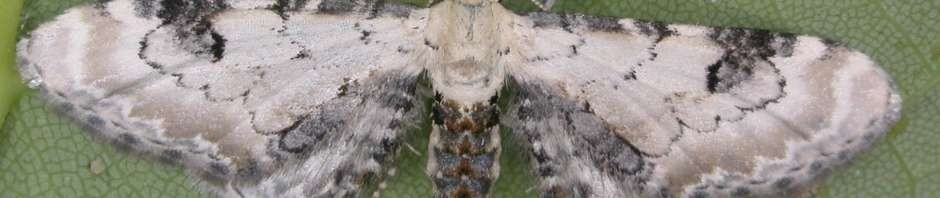
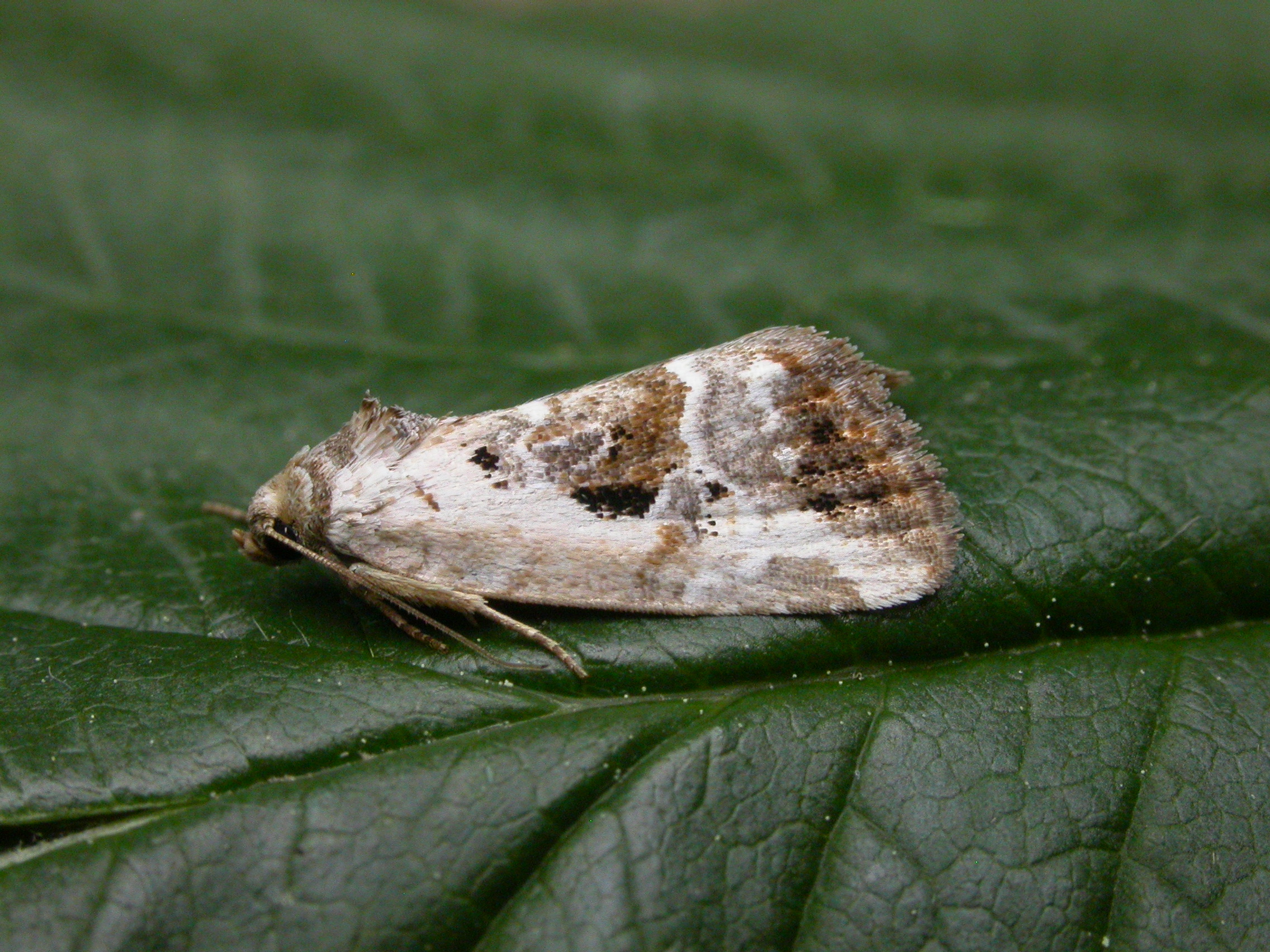
The most significant capture so far this year has been the first Agrotera nemoralis for Suffolk trapped on the Summer Solstice last night. It really is one of the most attractive of pyralids. I instantly recognised the moth once spotted in the Robinson trap but feared it would fly off. Fortunately the moth was secured for photography. I have seen it previously in the Hornbeam woods of Kent. A Pearly Underwing also arrived last night.

A Pinion-spotted Pug on the night of 9 June was another unexpected capture. I believe it to be the first Suffolk record since the Tunstall moth a decade ago. A species as a group we have looked for on numerous occasions since. It does seem to be shy of light and of interest my moth was attracted to a Tungsten light trap I operate.

Amongst the more interesting macros this week have been Ghost Moth, Figure of Eighty, Oak Hook-tip, Red-green Carpet (late individual), Shaded Pug, Dwarf Pug (second site record after one the other week); Small Yellow Wave; six species of hawk-moths – no Pine yet, regular Poplar Kittens, four Puss Moths, Water Ermine, Cream-spot Tiger, two Lunar Yellow Underwings, Flame & Silky Wainscots, Pale Pinion (late example, what a year this moth has had, I’ve lost count how many of this recent colonist I’ve trapped this season, but no semibrunnea strangely enough?) and Bordered Sallow.

Pyralids have included Apomylois bistriatella – only the second time I have seen this species at Bawdsey – the last time was at the Manor in August 2007. Anerastia lotella appears every few days. Other than that its just the usual common pyralidae.

Earlier in the season the highlight was the capture of no fewer than five Chamomile Sharks – a species I had never caught before. As a direct response to this exciting find, Chamomile plants have been purchased and planted within the grounds of the Hall to encourage the species further.
Posted in Sightings | Comments Off

Three good catches… migrants… traps.

The last three nights being warm and humid have provided me with good catches from my garden in Hollesley. Species numbers of 118, 112 and 110 from 18th to 20th June. Still low on micros, but coming up, at a ratio of 2:1 for macros:micros. That’s bearing in mind that I do look at everything from Privet Hawk-moth down to Ocnerostoma piniariella and Stigmella samiatella that my traps provide.
Hawk-moths have been routine this year with Poplar, Privet, Eyed, Lime, Elephant and Small Elephant all turning up in good numbers, but no Pine yet and no exotics! A good selection of Pugs over the last 3 days too- Narrow-winged, Common, Freyer’s, Green, Lime-speck, Mottled, Netted, Grey, Haworth’s, Foxglove and my first Toadflax. Large Yellow Underwing season is well underway and picked up the first Lunar Y. U. too. First Common Footman and a couple of July Highfliers along with the May Highfliers.
Some nice micros to add to my site list- Nemapogon cloacella, Glyphipterix simpliciella and Telechrysis tripuncta.
As for migrants- these have been noted around. Regulars such as Silver Y, Rush Veneer, Ostrinia nubilalis and Plutella xylostella along with Evergestis limbata as a migrant being too early considering the weather this year for a local emergence. My best migrants however have been a couple of micros- Eupoecilia ambiguella and Crocidosema plebejana both on 19th June.
There have been some comments on traps so I thought I would add my piece. I regularly run three trap, each different. Each has its spot in the garden. First is a 125W MV Robinson. This turns up by far the biggest and diverse catch. Second is the 60W (twin 30W) Skinner Actinic. This has always provided a greater number of the physically larger species than the Robinson but has a poorer diversity with few micros. However because it has a dominance of larger species it improves the overall diversity of a night’s catch. I feel the micros tend not to drop in and can also escape through the joints. My third trap is a small one thrown together by me from bits of plastic and a 40W actinic. It is based on the Robinson design but is rather small. This has a smaller catch but equally as diverse as the 125W MV Robinson. The three together give an excellent diversity, though I am considering converting the twin actinic into a Robinson to aid retention.

Posted in Sightings | Comments Off

Small really is beautiful …

A real surprise in the moth trap this morning … in the form of a pristine Small Marbled (Eublemma parva). Only the second for Suffolk, after Matthew’s Bawdsey Hall record last year, and a VC26 first. I’m kind of glad now that I put the trap out last night after all :-)

Posted in Sightings | 3 Comments

Trapping the best area at IGC.

Ran 2 traps in the area I think is the best for moth variety on the site last night. There’s wet woodland, Oak/Birch woodland, heathland and reedbed all in the same small area and I’ve had 150+ counts of species at this spot in previous years at this time of year. Conditions perfect, with cloud, warmth and high humidity. What did this produce? Counted 73sp in the morning, with the only species in good numbers being Brown silver line, Light emerald and Treble lines. Everything else in small numbers. Hardly any micros, I normally do well for those in this spot. No Heart and Dart at all. Disappointing.

Were a few minor highlights: Brindled white spot (6), Small white wave, Pinion streaked snout (8), Peach blossom and Telechrysis tripuncta.

Neil

Posted in Sightings | 2 Comments

Hornet Moth update …

As a quick update to my post the other day about Hornet Moths in Hadleigh … I found this pair on the same stump on my way into work this morning.

Posted in Sightings | Comments Off

Cydia nigricana

Had a wander round an area of rough pasture near where I live this morning. It contains the usual rough pasture plants such as thistles, ragwort, vetches and much more. I netted a good number of moths mainly micros with C dubitana & atricapitana predominating. The most interesting micros were several Cydia nigricana, no doubt living on the vetches. I have run my light traps several times June/July in this area in the past and had micros in abundance but never nigricana. Maybe this is one that does not come very readily to light.

Brian

Posted in Field work | 3 Comments

Heart and Dart and other moths in Bradwell

Following Neil’s comments on this species I can report that in the catch of the 18th at Blundeston there was just one H&D. Comparatively there were around 20 Pale Tussock, probably the most I’ve ever seen, hence the overall good numbers.

Last night I trapped at home. Heart and Dart the most common moth with 35 counted. Many of the other species were counted in singles or low numbers. Amongst the 60 species recorded were Alder Kitten, Miller, A. smeathmanniana. C rosaceana. The first Willow Beauty also seen.

Regarding the performance of twin 30w actinic traps, mine too had been disappointing for a long spell, but in the last two nights, as at the beginning of the season, has had a fair proportion of moths. Currently, three of the four Alder Kitten, for example, have been taken by this trap.

Posted in Sightings | Comments Off

Respectable number of moths at IGC but should have been better!

Ran 3 traps at IGC last night, one of which was the twin 30w actinic. This trap had very few moths in this morning compared to the other 2 for some reason.
Certainly the best number of moths seen this year so far, but I still feel that numbers even of the commoner species were lower than I would expect for the warm humid conditions. 79sp in total, at this time of year in a ‘normal’ season I should be getting well over 100sp. Is this still the influence of the late spring and the wet weather last year? As an example of a common moth that should be out in force I only caught 8 Heart and Dart.
Moths of interest for me included: White pinion spotted (2), Alder, Morophaga choragella, Neofaculta ericetella, Glyphipterix fuscoviridella and Pammene albuginana. Best sighting was the large male Stag beetle sitting next to one of the 125w MV traps.

Neil

Posted in Sightings | Comments Off

Big influx of Silver Y

I decided to trap on the beach last night. You need exactly the right conditions to do this and last night they were just so. Approaching the beach I noticed that the red and white Valerian flowers were alive with Silver Y and I counted at least 160 in a 30 yard stretch.
For some reason, not one of them came to the light traps, but I did record 45 other species including Shark (5), White Colon (2), Large Nutmeg (16), Bordered Sallow (4), Rosy Wave (3) and Fox Moth, – two females which is the first occasion I have had adults come to a light trap.
Micros included Anerastia lotella and Epinotia rubiginosana from the nearby pines.

Brian

Posted in Sightings | 1 Comment