Bucculatrix maritima observation on the foodplant

On 5th June Matthew Deans and I wandered down to the saltmarsh patch of the Hollesley Marshes RSPB reserve. My intent was to find Gynnidomorpha vectisana there which I had found last year on the other side of the creek. The objective failed perhaps because of the late season. Only Elachista argentella in large numbers were found in the micro class. However in an attempt to record the object of the exercise we took away some cocoons found in large numbers on Sea Arrow Grass (Triglochin maritima), the foodplant of G vectisana. These have produced Bucculatrix maritima. Literature generally states the foodplant of this species as Sea Aster, I have to date only found Sea Arrow Grass also stated on www.lepiforum.de. Down on our saltmarsh this was undoubtedly the foodplant as they were in a bed of the plant with no Sea Aster.

Posted in Sightings | 1 Comment

Red-necked Footman on the Bawdsey Peninsula

Following frequent sightings of the exquisite Red-necked Footman on the Peninsula in recent years, the moth appears to have colonised the area. I’ve caught three in recent nights at Bawdsey Hall together with a singleton with Raymond at Hollesley Marshes on saturday night.

Other recent colonists appearing at Bawdsey Hall in the last few days have been the beautiful Evergestis limbata and one of my personal favourites the L-album Wainscot.

Tawny Wave and Marbled Clover were added to the Bawdsey Hall site list on the night of 30 June. Last night (1 July) a Rosy Marbled was a further addition.

From the saltmarsh Mathew’s Wainscot and regular Agdistis bennettii have appeared. A single Striped Wainscot was in the traps this morning.

Hawk-moths still in reasonable numbers; Humming-bird was noted by day last week at Bawdsey Hall – seven species of hawks now recorded here in 2013.  Still awaiting a Pine Hawk this year.


Posted in Sightings | Comments Off

Late June in Burgate

Just back from 2 weeks holiday in France so have been setting the garden trap for the last 3 nights. Lots of firsts for the year with new site records of Clouded Buff last night (30th) and a Freyer’s Pug on the 28th (resting on Juniper during the day). Other moths fairly routine with Beautiful Golden Y, Pine Hawk-moth, regular Eyed Hawk-moth, Scorched Wing and White-point.

Posted in Sightings | Comments Off

Red-necked Footman again

On the 29th Brian and I revisited Herringfleet Hills. For the first time we had a generator on the high ground where three traps were run. Setting up I noticed that the Wood Sage had increased 3 or 4 fold, no doubt benefiting from the wet Summer last year on the usually very dry soil. Highlights of the 150 species recorded; Shaded Fanfoot, Dotted Fanfoot, Lunar Yellow Underwing, Alder Kitten, Common Lutestring, Purple Clay, Triple-spotted Clay, again lots of Peacock moth. Micros; Gypsonoma opressana, Epinotia demarniana, Luquetia lobella, Ostrinia nubilalis, Carpatolechia proximella. On the night the most excitement was with Capperia britanniodactylus, the Wood Sage plume. The final trap checked had a Single Red-necked Footman. The site is approximately 2 miles from the Ashby site where we first recorded the species so with Monk’s Hole in between I would hope to get it there too when we visit soon. My 60w actinic Skinner did as well as any trap on the night and had the most Elephant Hawk-moths as well as the A.K. On four nights at four locations, currently, five of six Alder Kitten have been in this trap.
We left at 3.30 am, relieved that Brian had found his car keys in the nettles down the track!

Posted in Sightings | Comments Off

Currant Clearwings …

It’s only taken me a couple of years of trying but I finally managed to attract a single male Currant Clearwing to pheromone lure yesterday afternoon at our local allotment.

Posted in Sightings | 1 Comment

Red-necked Footman comes to NE Suffolk.

Ashby Warren is an area on the private part of Somerleyton estate that contains a wonderful mixture of plant-life and habitat. I joined Keith on Thursday evening to set out our 8 traps and spread them out to cover as wide an area as possible. Keith set his out in the heathland/conifer area with my traps deeper in the mixed woodland and we used one of the vehicles to move between the 2 sets because of the distance.
The first trap to be inspected which was deepest in the woodland, provided the surprise of the night and this was in the form of Red-necked Footman. All the trapping Keith and myself have done before in this whole area of NE Suffolk/SE Norfolk has never turned up this species – but 7 came to this one trap, indicating that it is obviously well established here in this woodland that has never been surveyed before.
The woodland is quite unique locally because it contains a large amount of beech and this was reflected in other species trapped that we otherwise never see in our local area including Clay Triple-lines, Stophedra weirana and Cydia fagiglandana (5).
Moths from the Conifers were abundant including Dwarf Pug, Grey, Spruce and Pine Carpet, Tawny-barred Angle (many), Bordered White (many), Barred Red (many) Pine Hawk (several) ) and good micos such as Assara terebrella and Dioryctria simplicella.
Other highlights among the Macros were Common Lutestring (scarce in this area), Small Emerald, Birch Mocha, Lesser Cream Wave, Peacock Moth (23), Alder Kitten, Sycamore, Miller and Alder Moth. Micro’s included Lobesia reliquana and Scoparia basistringalis.
128 species was our best count for the year so far on a night of very heavy cloud, with the traps full of moths and dawn breaking before we had sorted them all out. A long but very rewarding session.

Brian

Posted in Sightings | Comments Off

Poor weather brings in a new surprise.

As the group event to Staverton was cancelled due to the rain, thought I’d put a couple of traps out in the garden instead. Was still raining at dusk and was a bit on the windy side, nearly didn’t bother but thought what the hell. Was to be my last trapping attempt for June also. Come morning, there were a few moths present, mostly run of the mill stuff but was surprised to come across a micro in the twin 30w actinic I didn’t recognize. Has turned out to be Monopis imella, a species I’ve never seen before and hence a new site record. After catching a few new micros last year with yellow heads and unicolorous wings, this is another species like that! Wonder why a number of micros have this colour pattern? Just goes to show that even on poor nights something may just turn up. First new site record caught in the actinic too, hopefully more to come.
As I’m not trapping any more this month, thought I’d look back on the results. To me personally it appears to have been dire, seemingly low numbers of species and quantity. Just looking at the species count for the month, I’ve noted 207sp. I checked back as far as 2003 and this is my poorest June total in that period. Previous worst total was 250sp last year. I would normally expect 260-300sp in a ‘normal’ season here. I’ve not checked the number of times I’ve trapped or anything else, this is just the baseline species count for the month. Seems to back up my initial thoughts. Be interesting to see how July progresses.

Neil

Monopis imella

Posted in Sightings | Comments Off

Yponomeuta malinellus

Something to look out for as larvae at the moment as this species supposedly rare is not so easy to confirm as an imago.
Found them on apple trees in my garden. So any trees by the roadside or in orchards and gardens not treated with insecticide may reveal their web feeding. Also shown by photos from Brian Jones in The Moths of Suffolk.

Posted in Things to search for | 1 Comment

Nemophora fasciella on the wing.

Just went for a wander round the garden after work this afternoon and managed to find a few moths, best of which was a Nemophora fasciella male feeding on an Oxeye daisy flower. Have recorded this species around the garden before in the past but not for a few years apart from a dead one I found floating in a water butt last year.
Tried the pheromones for both Currant and Yellow-legged clearwings too but no luck, both species I’ve recorded before here, maybe they aren’t on the wing yet due to the late season.

Neil

Nemophora fasciella

Posted in Sightings, Things to search for | 2 Comments

SMG Moth night Knettishall heath 21/06/2013.

This meeting was set up to target Royal mantle, a moth that has been recorded on this site in the past but not for a few years. With hindsight we should have surveyed for this moth a bit later in the year given how the season is going so far as we were probably a bit too early for it to be on the wing.
7 lights were operated (mainly 125w MVs but one actinic was used too), with most traps placed along the track between the scrub woodland and the open breck grassland and a couple within the mixed Oak/Pine woodland. This was the first meeting I’ve been to this year where the traps were actually full of moths, all other times I’ve been out they have been very empty! This was despite the fact the sky cleared out and there was a bright moon shining. Stayed warm though. One of the commonest species was Small elephant hawk, which started coming in as soon as the lights were turned on and was still coming in at switch-off, nice to see. At the end of the recording session I had 133sp in my notebook, an excellent total for once!
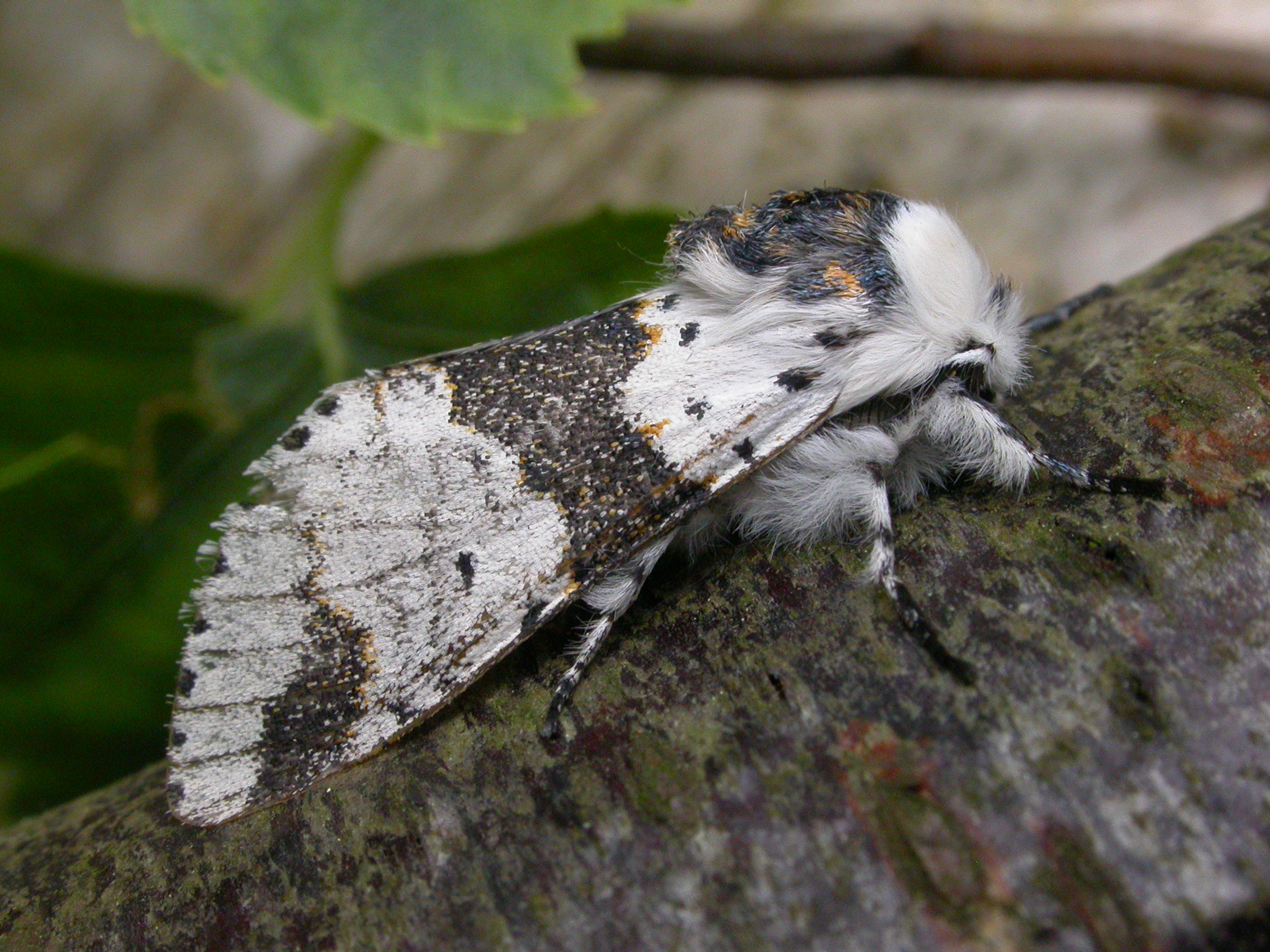
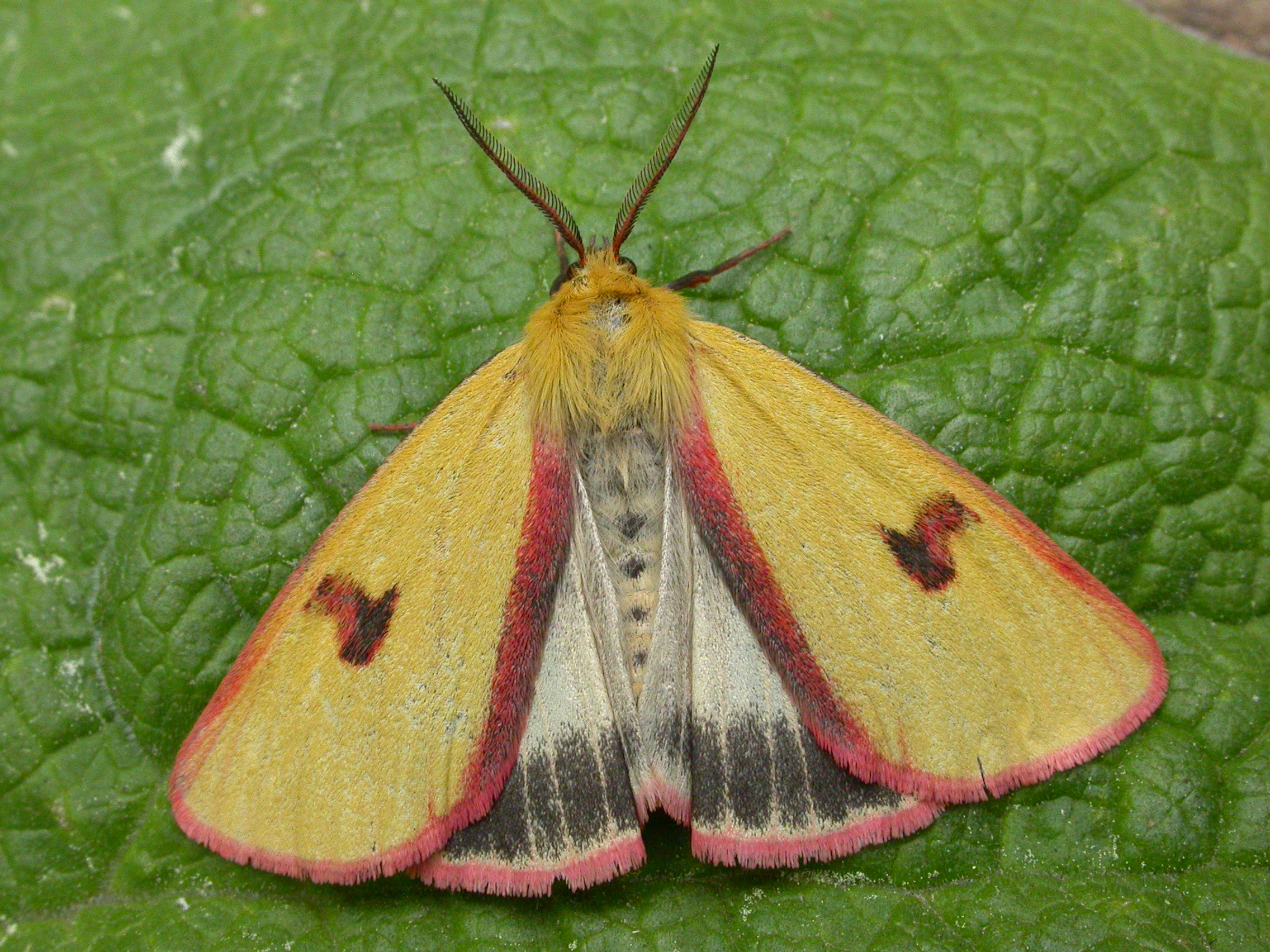
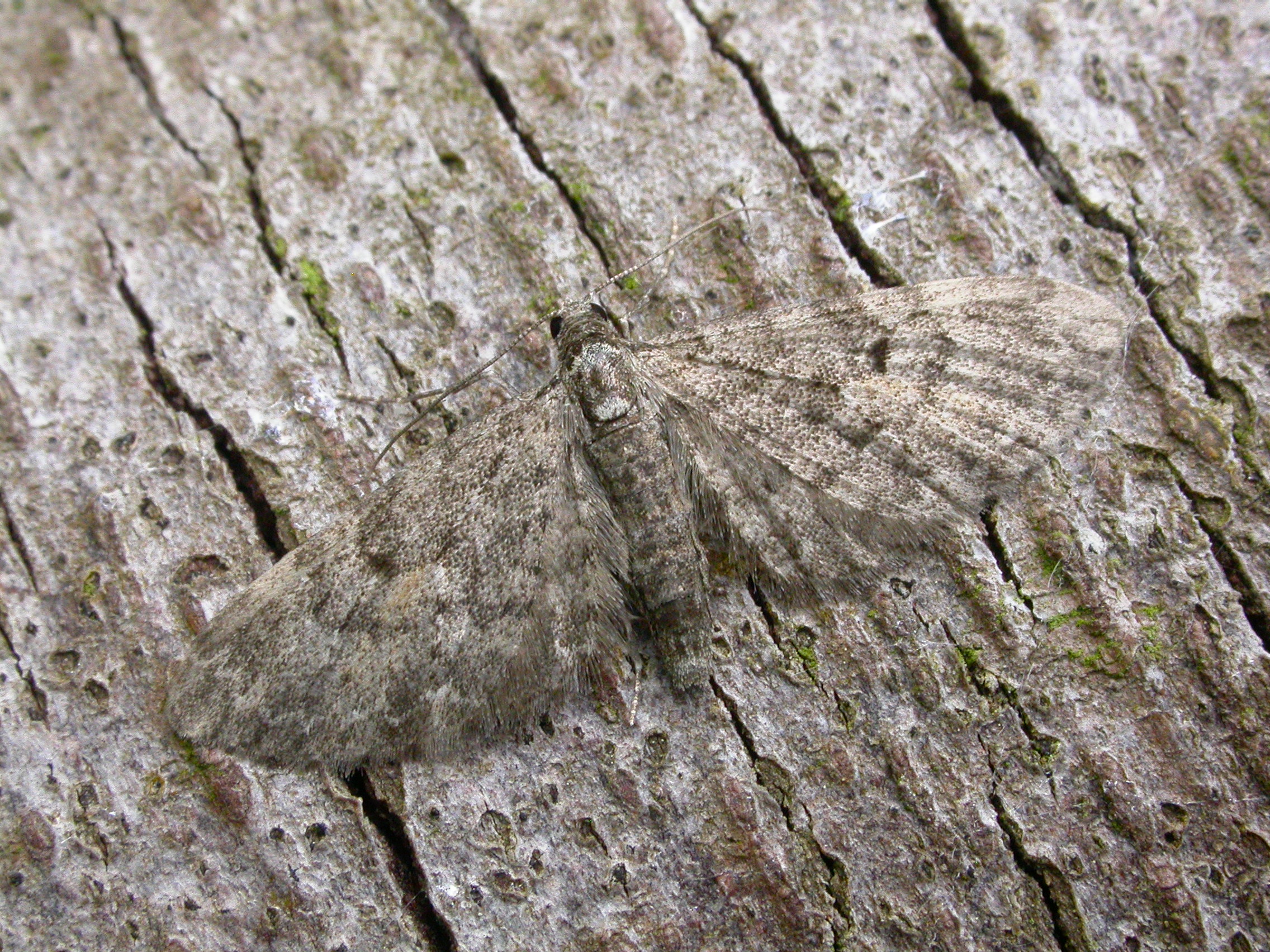
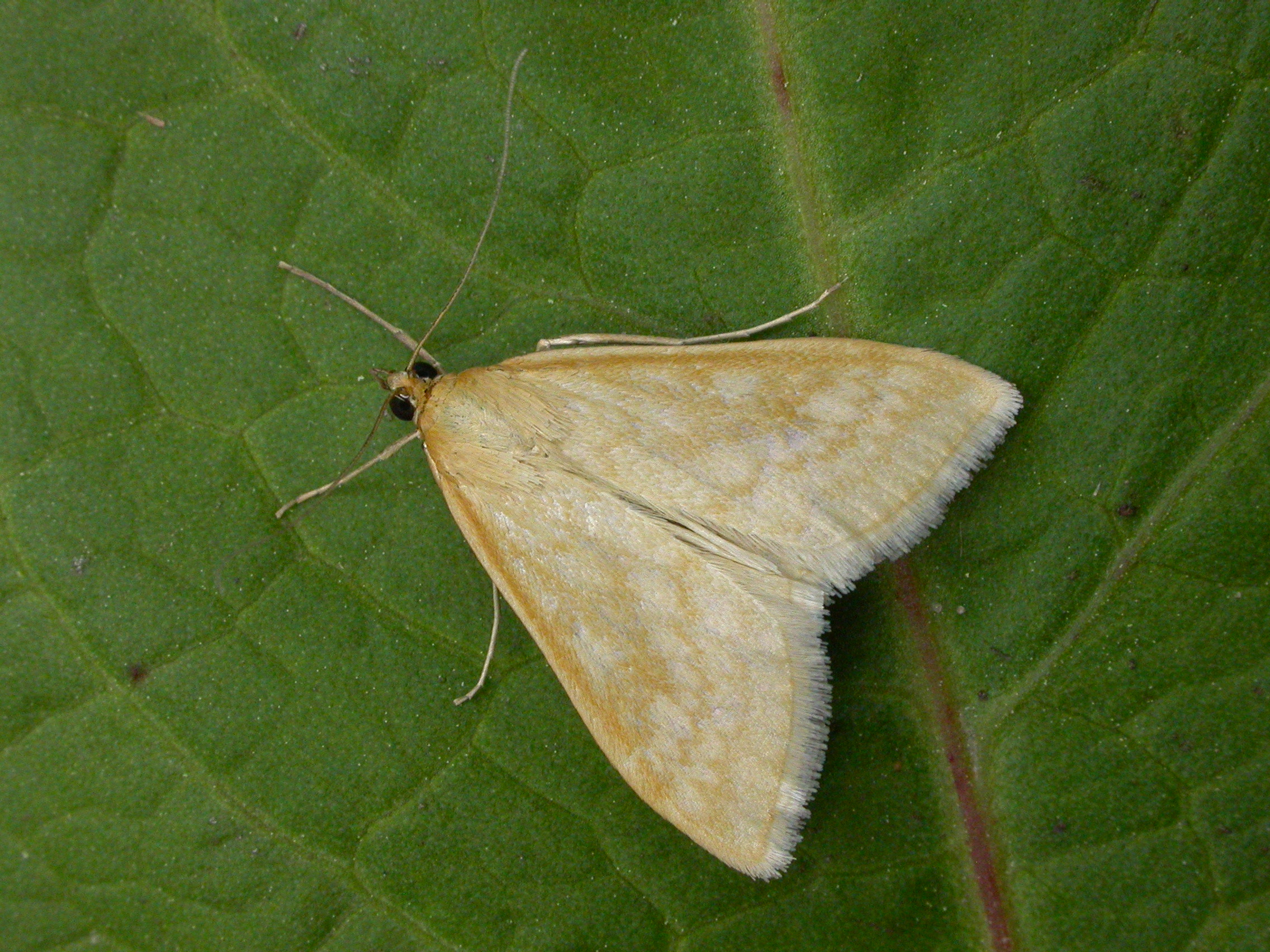
The main highlight of the evening was the capture of at least 6 Alder kitten. With no previous records of this species from this quite well recorded site it looks as if it could be a recent colonist crossing over from Norfolk. This ties in with other records of this moth in the last few years along the Suffolk/Norfolk boundary. This somewhat overshadowed the 3 Red-necked footman we also recorded. Again, this is a species that looks to have colonized following a spate of recent records. Other moths of note included: Brindled white spot, Rosy marbled (one worn individual), Phtheochroa sodaliana (1), Larch pug (1), Cream spot tiger, Clouded buff (lots came in late on in the night), Sharp-angled carpet (lots), Shaded pug, Reddish light arches (2), Platytes cerussella (1), Small white wave (1), Ancylis upupana (1), Cochylis nana (1), Festoon (1), Lobster (a few), Epinotia demarniana (1), Crombrugghia distans (Breckland plume) (1), Beautiful golden Y (1), Alder moth (1), Great prominent (a few of these, I would class them as late as they have gone over at my site), Pale shouldered brocade (2), Broom (1) and Sitochroa verticalis (1). None of the micro species seemed to be present in large numbers going with the recent trend with these of low numbers – where were all the Crambids for example?

Neil
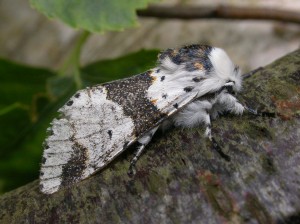
Male Alder kitten
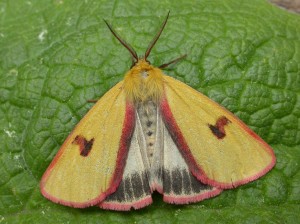
Clouded buff
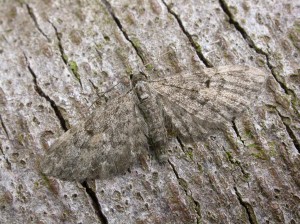
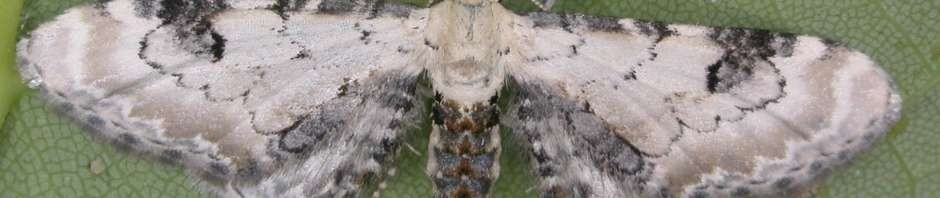
Larch pug
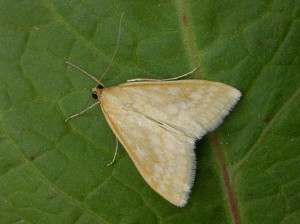
Sitochroa verticalis
Posted in Events, Field meetings, Sightings | Comments Off