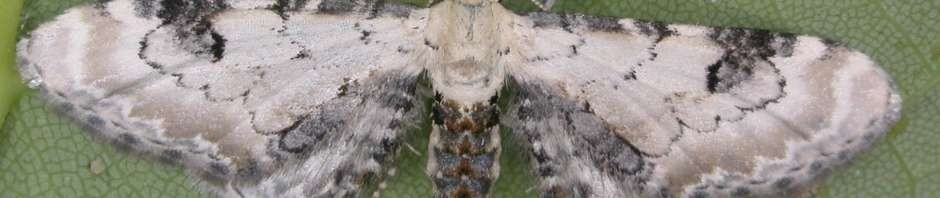
Saw a Least black arches at rest on a tree trunk yesterday afternoon on Purdis heath, my first for the year, so they are now starting to come on the wing.
Neil
Saw a Least black arches at rest on a tree trunk yesterday afternoon on Purdis heath, my first for the year, so they are now starting to come on the wing.
Neil
in this notably warm and early spring but looks OK from mid-week on. Like others I have been enjoying the recent mothing. So a report here for my home site at Hollesley. The orthosias are still going strong though as some others have found the Small Quaker is poor this year. Powdered Quaker coming in now but not seen a Northern Drab yet this year. Whilst we have early emergers, Dotted Border and March moth are still around. Early emergers here have been Muslin, Shuttle-shaped Dart, Nutmeg, Flame Shoulder, Scorched Carpet, Cinnabar and Phyllonorycter blancardella . Catches of interest have been Agonopterix subpropinquella and a Tissue (bless you!). I have also taken a couple of Dark Sword-grass and a couple of Depressaria chaerophylli which I believe are immigrant. These and Neil’s Blossom Underwing with a further two D. chaerophylli from Paul Kitchener all coincide with the unusual atmospheric weather and Sahara dust.

A few of the group met up at Milden Hall Farm last night to have a search for Sloe carpet. This site is very close to the last known previous record (in 2003) to Matthew’s for the species and has some good areas of Blackthorn scrub and hedgerows. A range of mv and actinic traps were deployed around the flowering bushes and we also searched using torches. Alas, no luck with the Sloe carpet, in fact we didn’t see any moths actually on the bushes. In some cases this was certainly due to the breeze blowing around some of them. The traps in the more sheltered wooded areas caught a respectable total of 22sp. Interest included Lunar marbled brown, Frosted green, Oak nycteoline, Water carpet, Purple thorn. Of more interest were some micros caught. One, an interesting looking Caloptilia appears to be a close match for hemidactylella but as it is slightly worn it may need critical examination to be certain. The others are all small purple coloured Eriocrania sp., which in a wood with a lot of Hazel and not much Birch could be chrysolepidella but they will need a gen. det. to confirm.
An enjoyable start to surveys away from our ‘home’ trapping locations.
Neil
In the bright sunshine today and on the usual clump of willows, using the binoculars I counted at least 30 Adela cuprella in one small area of the willows. Males flying and females mostly sitting on the flowers. This is a very exposed site on the bank of Breydon Water and the regular date they appear here is around 20th April, so they are about 2 weeks early this year.
I also had a few other new for the year in yesterday evenings catch of 19 species. These were Epinotia immundana, Parornix anglicella, Pine Beauty and first Prominent for the year which was a Pale.
Brian
It has been an interesting week here in Woolpit, with a number of earliest ever records and two new macro’s for the site being the highlights against a backdrop of the commoner orthosia species.
Two Pale Mottled Willows and a Chinese Character on 30th March were my earliest records by a full fortnight. The same night also produced single Red-green Carpet – earliest by ten days, and a Pine Beauty – a scarce visitor to the garden and only the sixth site record. A Streamer taken on 2nd April also beat my previous earliest record by eight days.
A Lead-coloured Drab taken on 31st March was new for the site. I have often wondered if this is one of those trickier to i’d species that has been overlooked in the past but, from comments elsewhere, it seems that it’s having a better year than of late so, perhaps, this record has more to do with right place, right time. The other much anticipated new addition to the list was a Pale Pinion taken on 1st April. A second hepatica the following night proved that this was no April Fool’s joke!
With a change in wind direction, the last two nights have been much quiter, the only highlight being single Powdered Quakers.
I’ve noted more earliest ever sightings for my site recently going on with what others have been finding. I had a Chocolate-tip on the night of the 2nd, with a Tawny barred angle last night, previous earliest for this species was the 24th April. Other things of interest seen the last 2 nights have included the following year firsts: Red chestnut, Red-green carpet (both nights), Brindled beauty and Pammene argyrana. Good count of 43 Brindled pugs caught on 2nd (in 2 traps). Orthosia numbers now seem to be on the wane here with Small quaker not even really getting going!
Neil
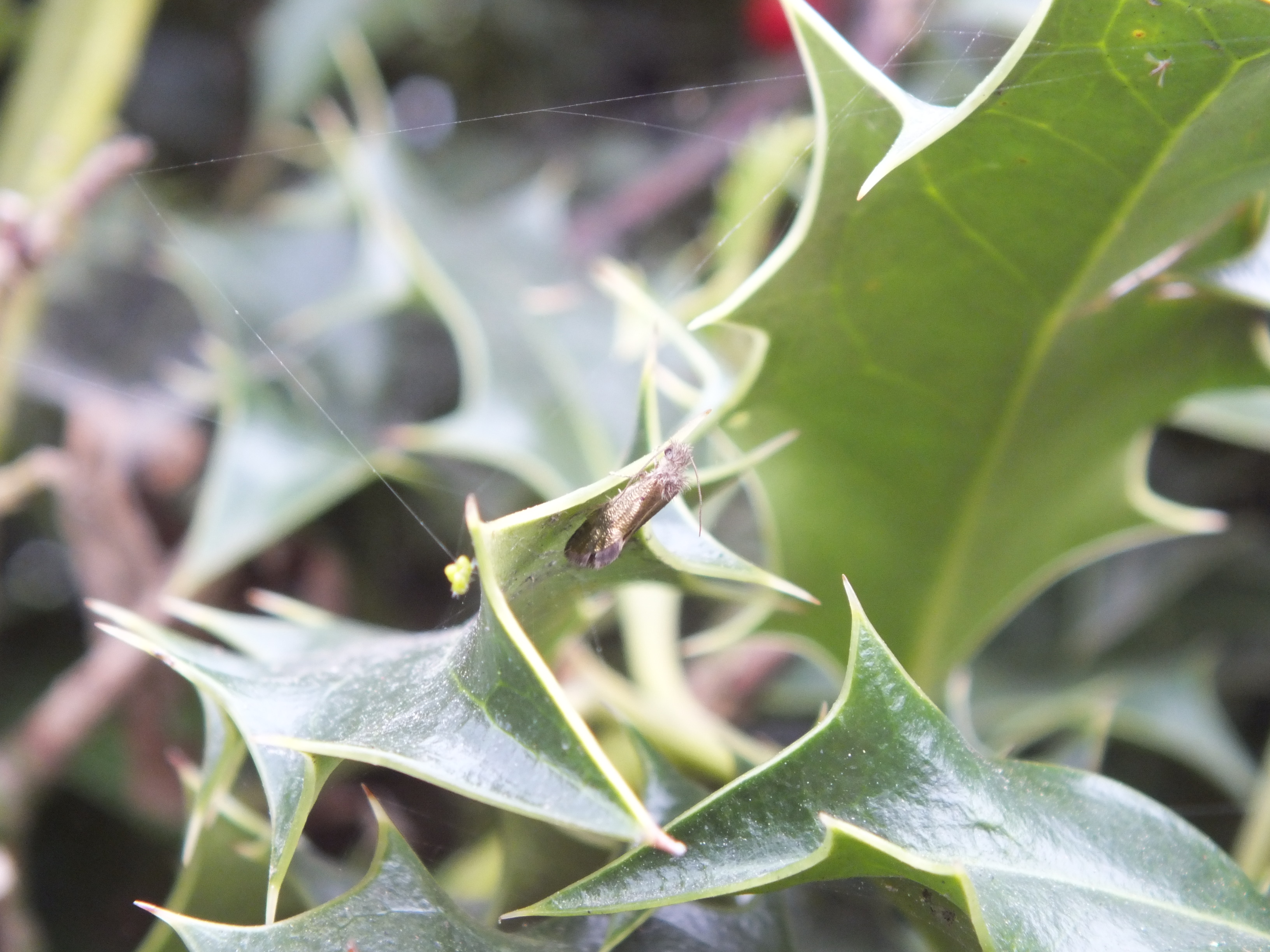
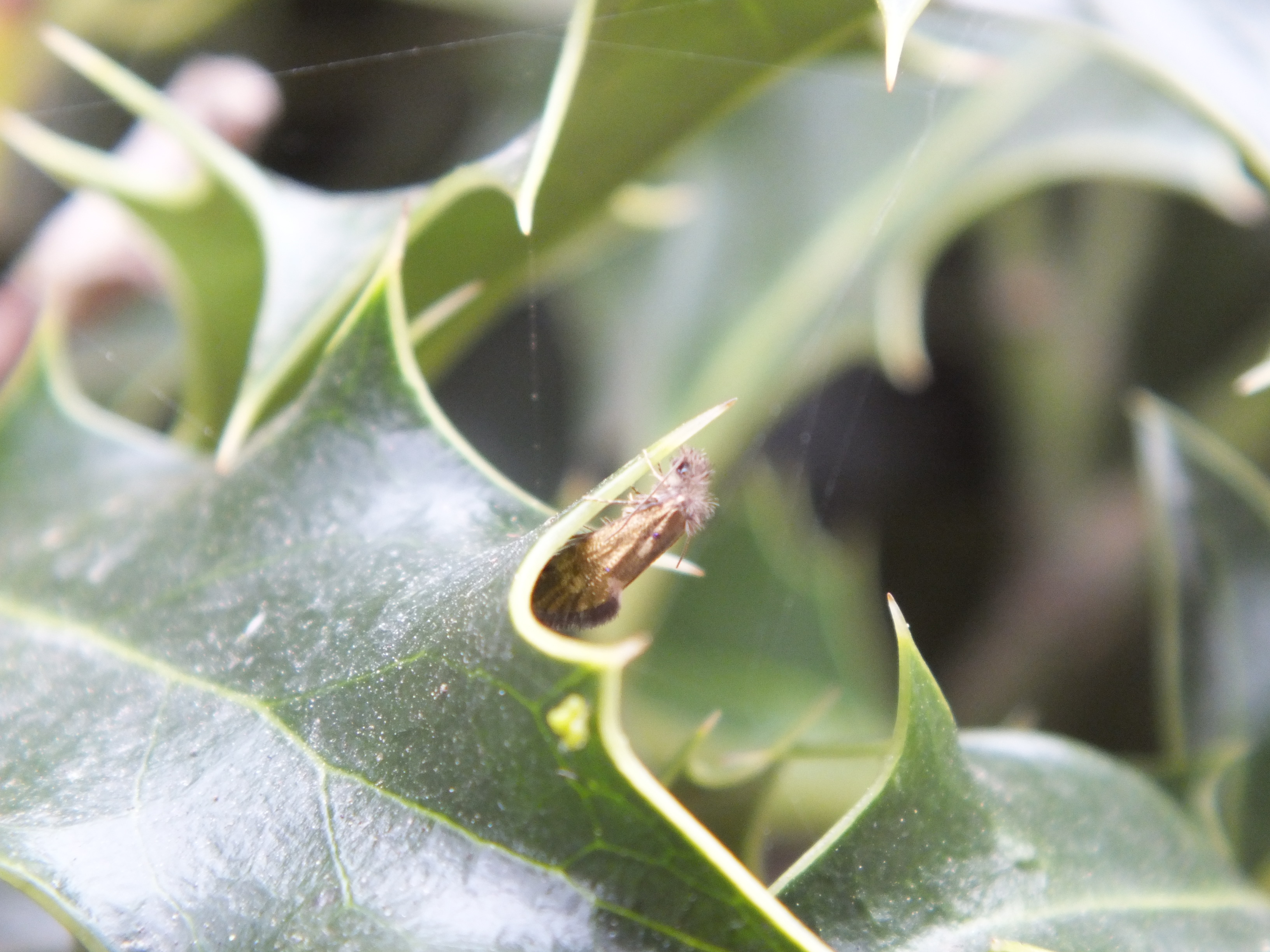
During a family stroll this afternoon, this micro came to my attention flying around a Holly hedge. Any thoughts please?
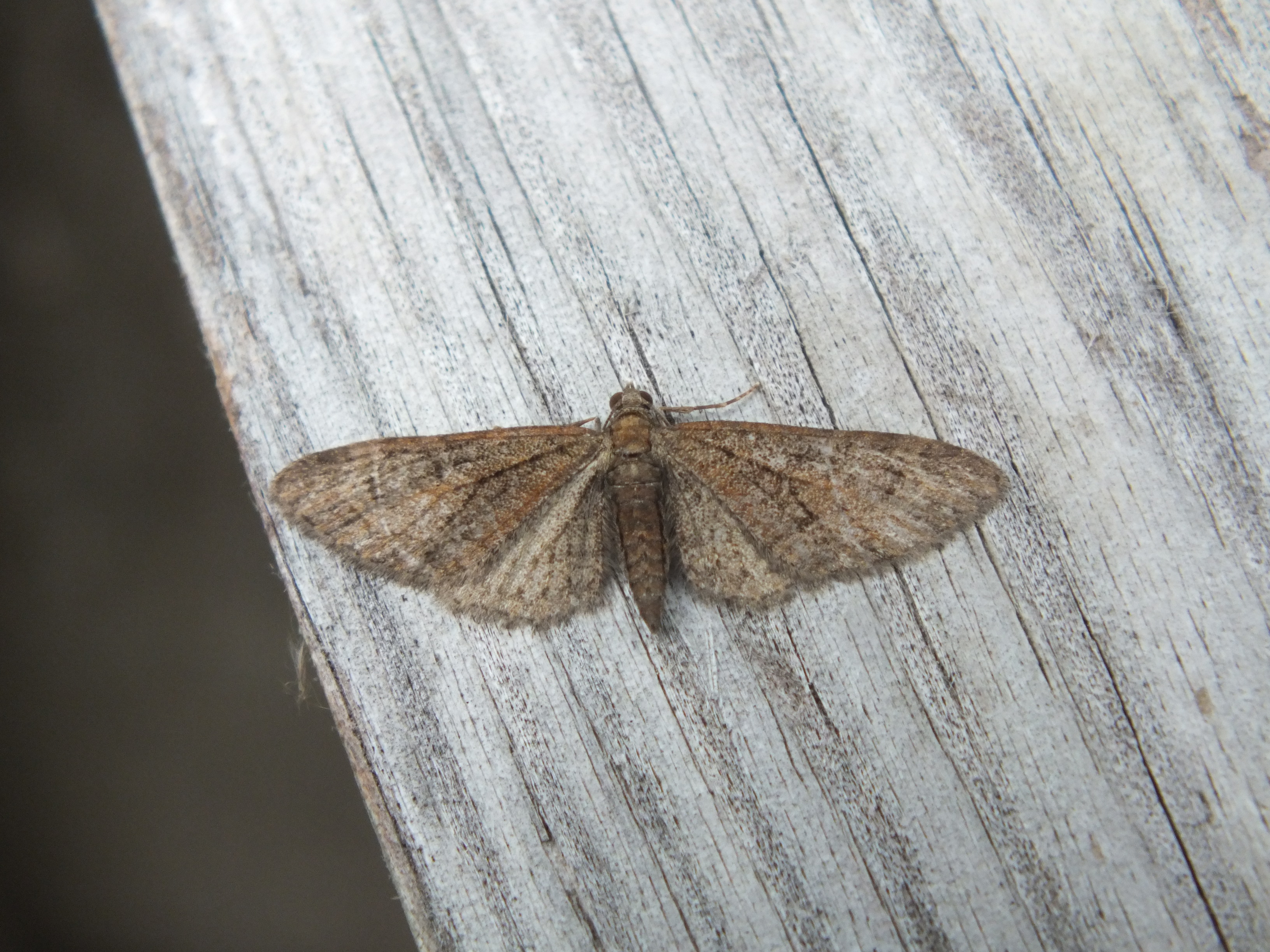
Seems that the upgrade from 15w to 30w actinic has pulled a few more pugs in and I had six last night that were quite variable, but assume they were all Brindled. Could I canvas opinion please.
.
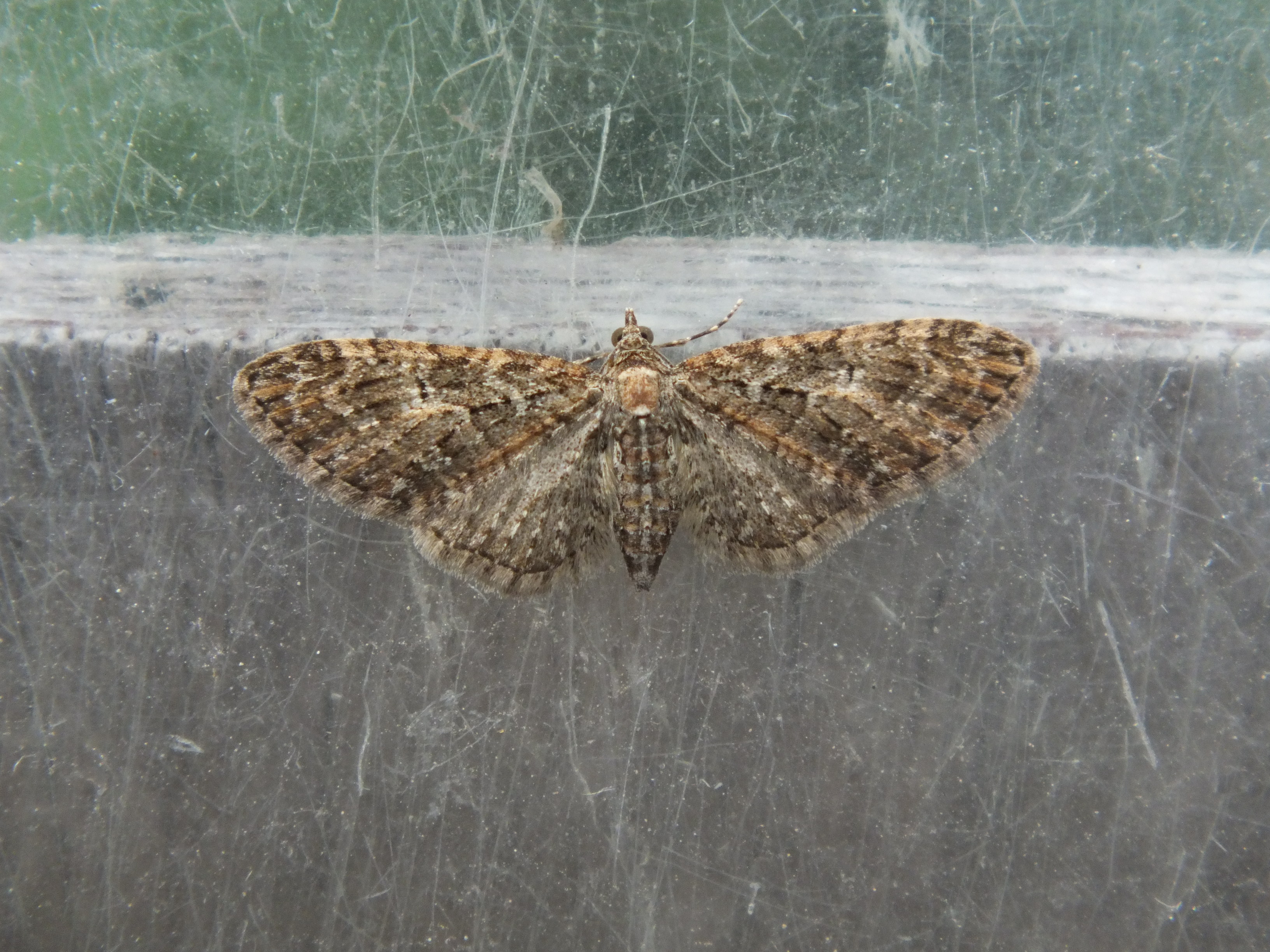
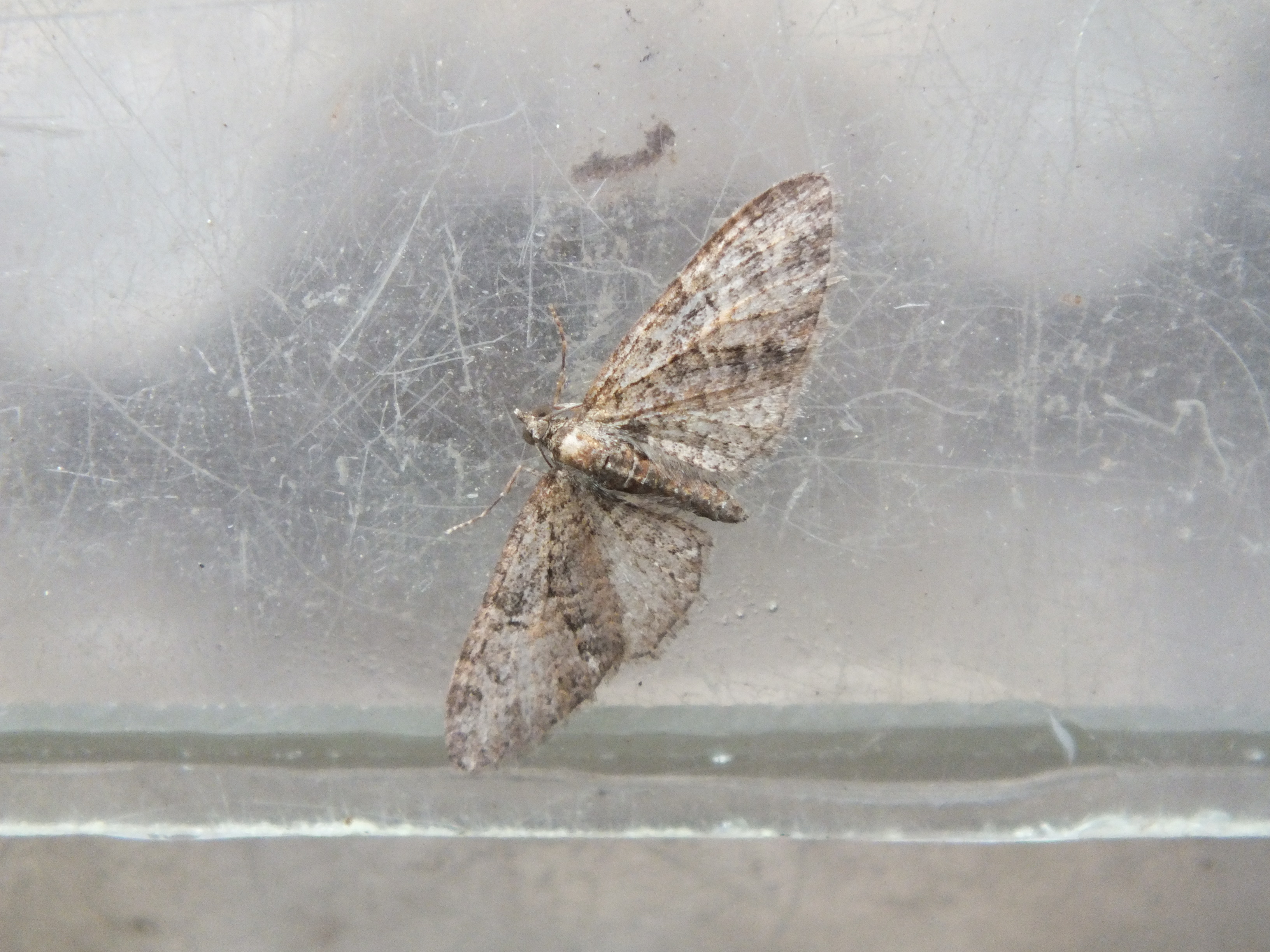
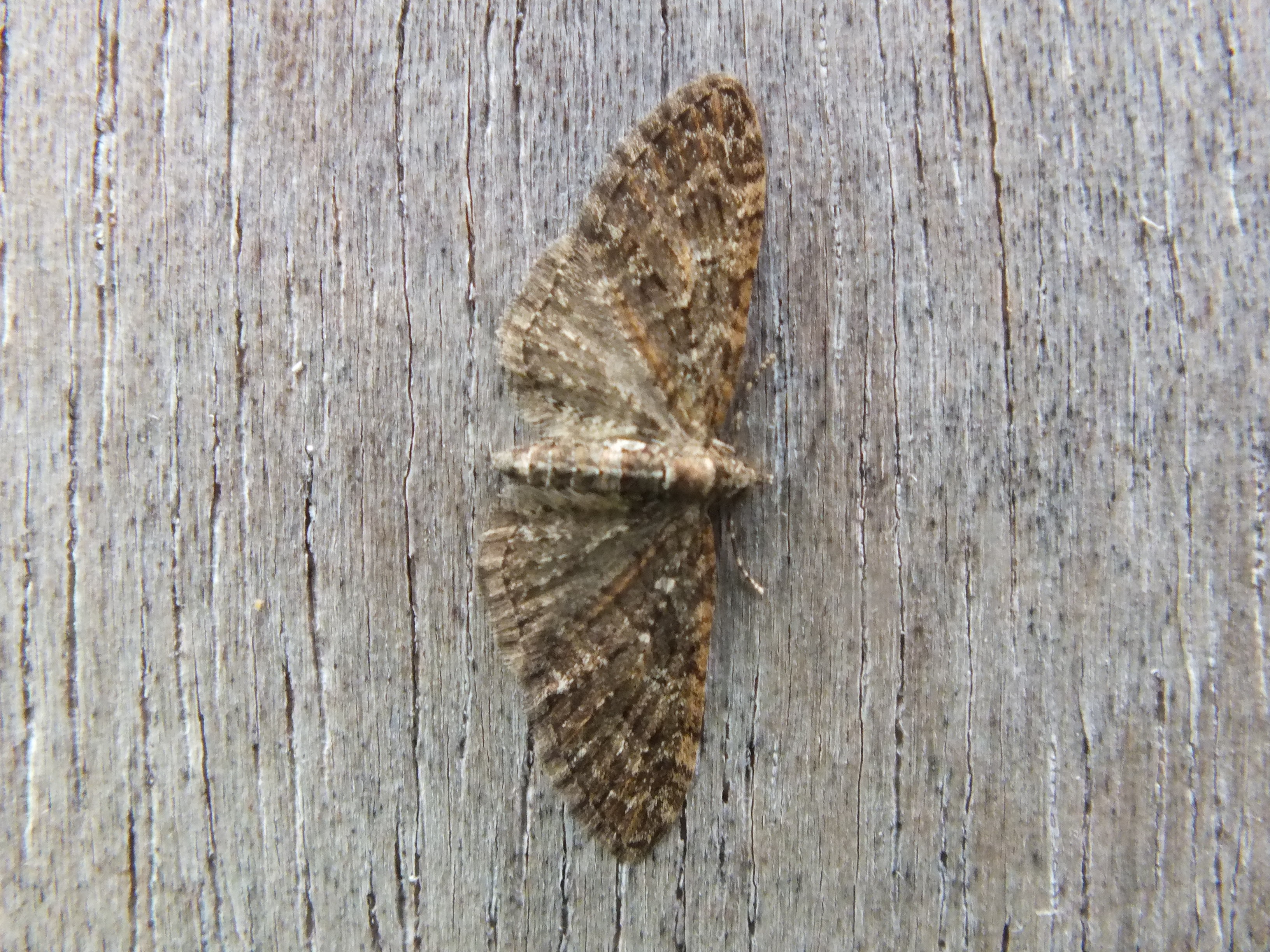
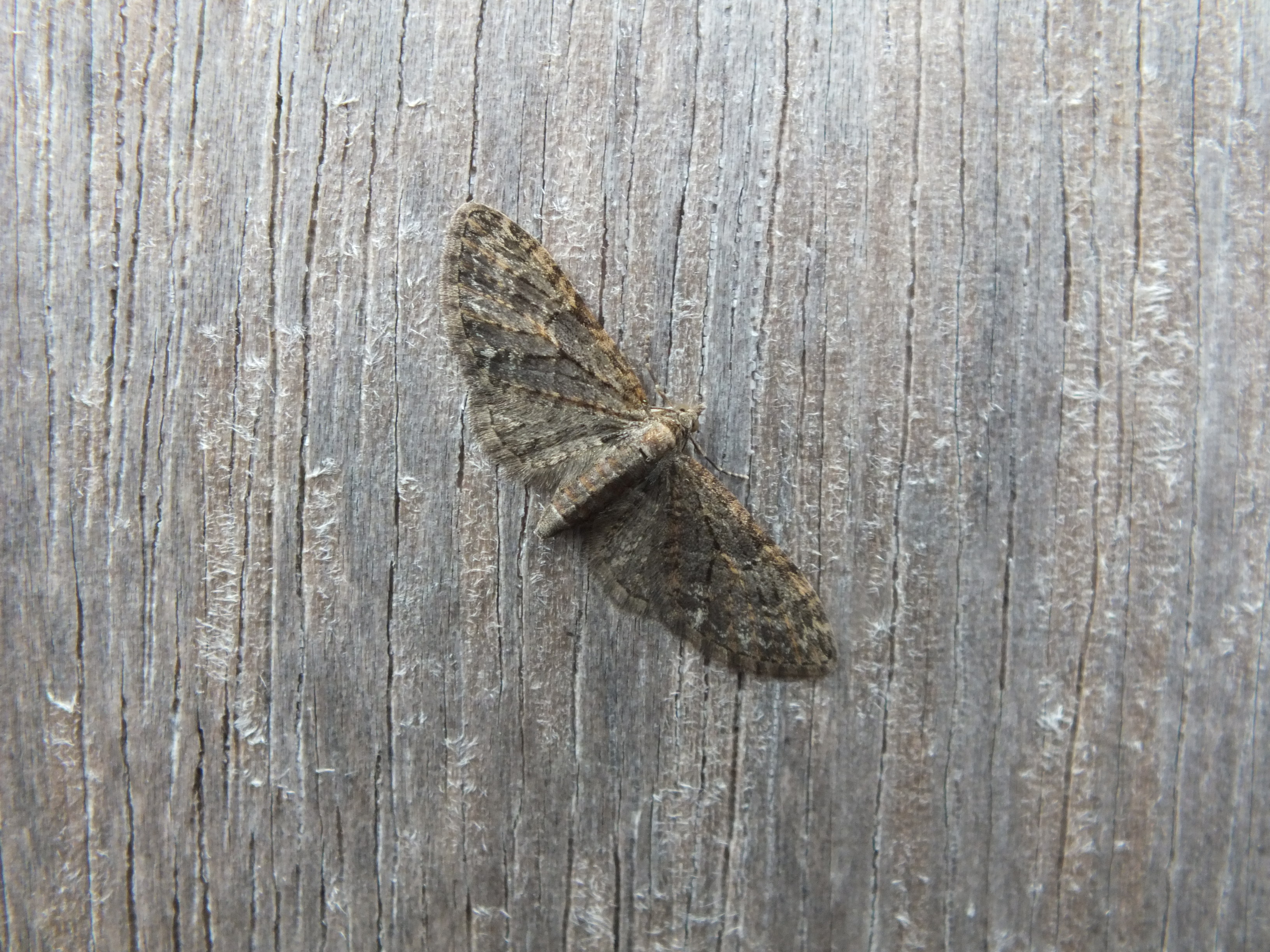
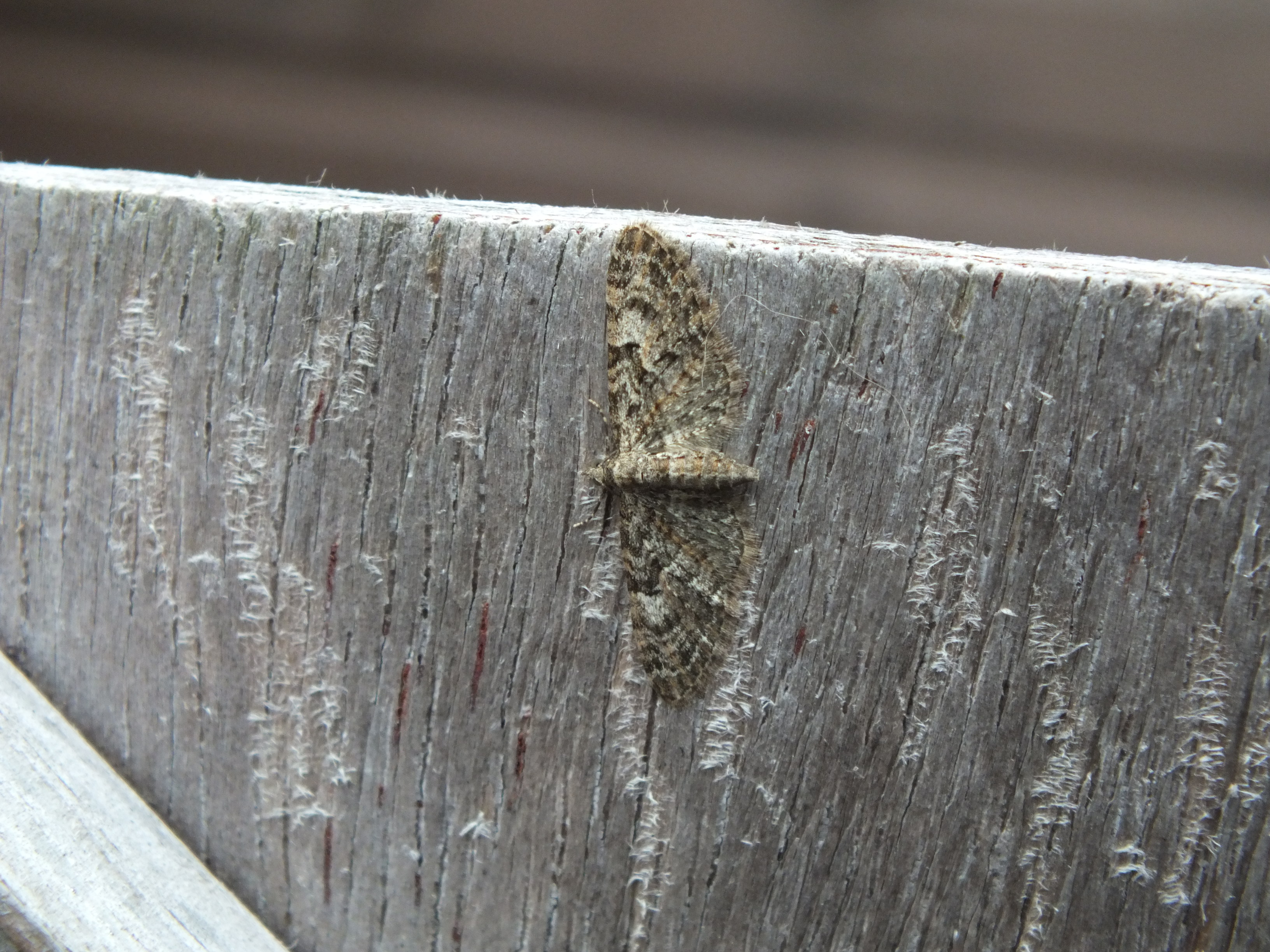
I have been away for a few days so yesterday evening I kept the trap running all night for the first time this year. This morning in amongst all the quakers and drabs was a single Lead-coloured Drab (the first since March 2012) and an Early Tooth-striped (a new site record). Other firsts for the year included Brindled Beauty, Nut-tree Tussock, Early Thorn and Brindled Pug.
We’ve had many aristocracy visit Bawdsey Hall since the 18th century but last night was the first time an Emperor has been spotted!
A female Emperor Moth was perched on the black barn this morning behind a 125W MV ALS Robinson trap. It was just inches away from where the Crimson Speckled decided to perch last October. When I removed her from the container for photography I discovered she had already laid 28 eggs! So that will be good fun rearing those.
This represents the third new macro for Bawdsey in 2014 - in what has been a very exciting start to the season. The Bawdsey macro-moth list is now up to 467. Still a way to go to 500 macros!
The only ‘first for the year’ recorded last night (2 April) was Muslin Moth.