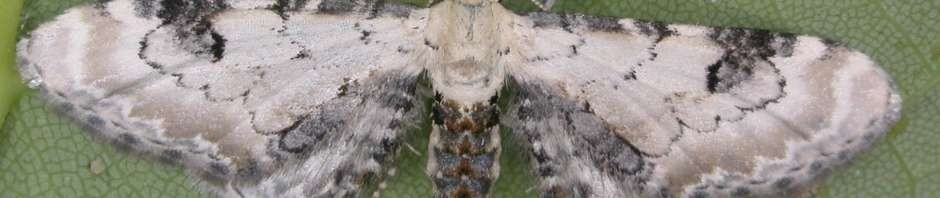
Bradwell and Ashby early July

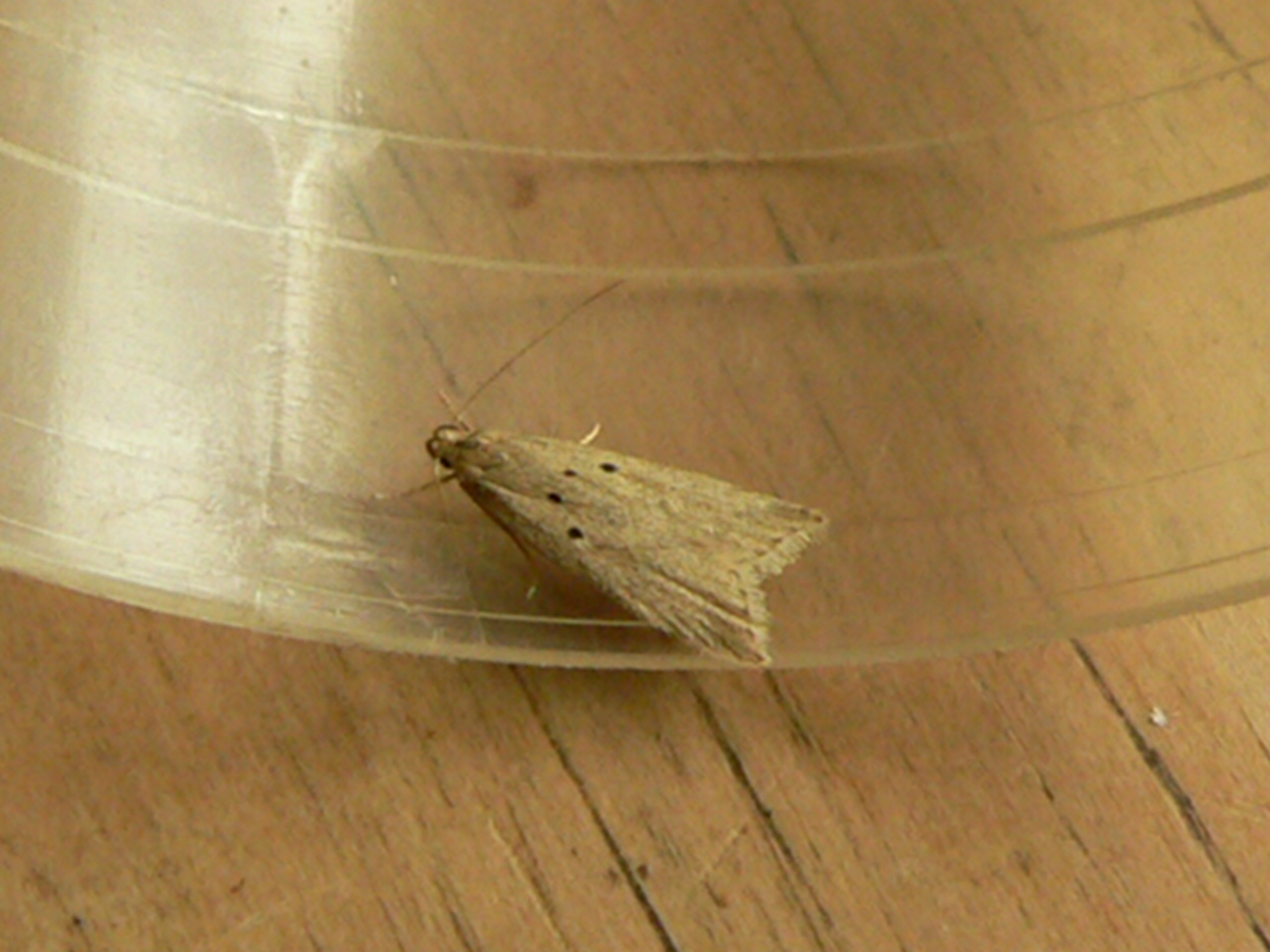
On the 2nd I trapped at home on a bright moonlight night, conditions I wouldn’t normally bother with getting the traps out, but it was incredibly warm and I had just missed by a day what would appear to be an invasion of Red-necked Footman. None of the aforementioned seen but pleased with 105 species. Best of these Small Mottled Willow which are turning up in unusually high numbers this season. Others included Water Ermine 4, Cream Bordered Green-pea 2, male and female Ghost moths, Brown Scallop 2, European Corn-borer and again Luquetia lobella.

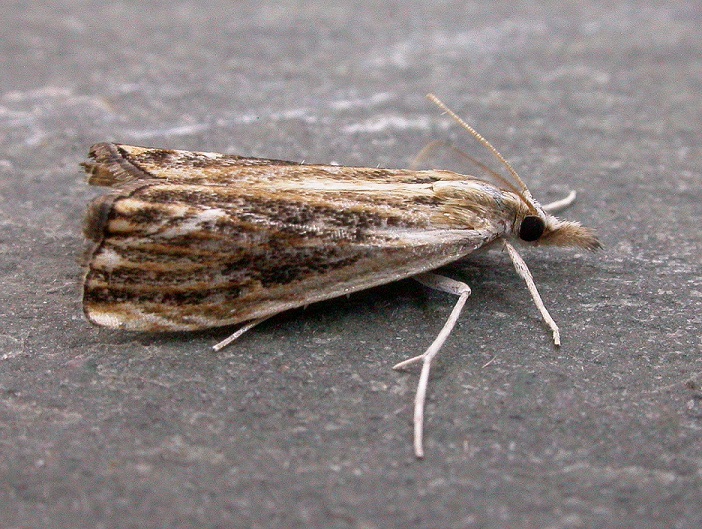
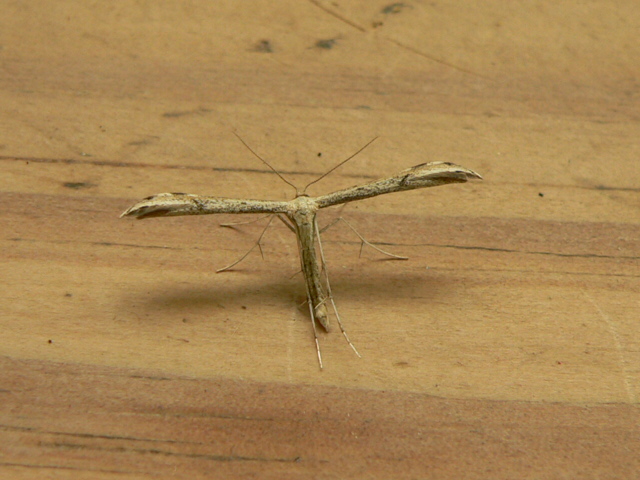
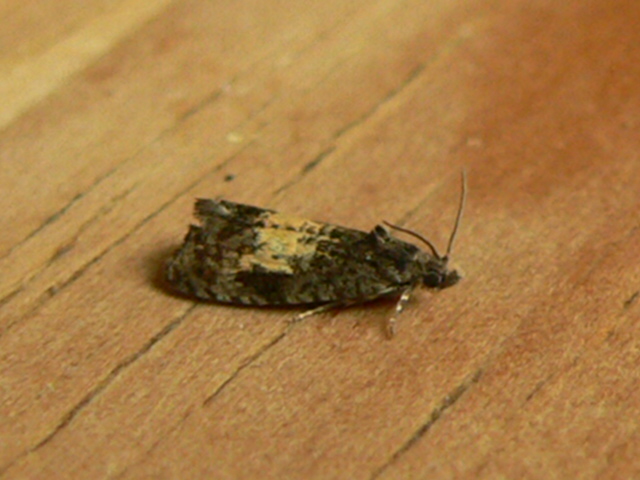
On the 3rd Brian and I went to Ashby Warren where last year on the same date we had high numbers of Red-necked and Four-spotted Footman. The Red-necked, 16, were in similar number (15) to our visit of 22 June 2014. We had one male quadra pointing towards them just starting. Lots of Shaded Fan-foot, Common Lutestring, Lobster moth, Grey Arches ( a good year for them up here), Gold Swift, Rufous Minor, Purple Clay. However best moth for us was Brindled White-spot, I had a fleeting glimpse of one at the same site last year around one of the traps before it disappeared before making a proper id. The species hasn’t been recorded around these parts in Suffolk or over the border. Best micros were E.grotiana with several seen, and C. britanniodactylus. The huge storm loomed as we packed away with lightning in three directions. Fortunately the moths dispersed before the rain started and we left in a hurry. I got home without getting the gear soaked before it all kicked off. 128 species seen.


Posted in Sightings | Comments Off

Notes from the Waveney

I have had a run of good moths in the garden over the past week. A Muslin Footman on the 6th was somewhat overshadowed by at least 10 in the trap last night. There must be a sizeable colony nearby. Last night also produced a faded Green Arches, Coronet and Dotted Fan-foot. Other notable moths include Dingy Shell and Double Lobed on the 6th and a Clouded Brindle on the 7th.

No sign of any migrants recently – not even a Silver Y. The only down-side was being stung by a Hornet that was lurking under the rim of the trap. A very painful finger for a few days!

Mark

Posted in Sightings | Comments Off

SMG meeting 4th/5th July 2015 – The Orfordness adventure.

After missing out on a visit last year, we returned to Ordfordness this year at a slightly earlier time than previously, just to see what was around. For once the weather gods played ball for us with a warm dry evening and a slight breeze. We deployed 2 pairs of traps out on the site, with one pair covering a shingle and rushy grassland patch and the other covering saltmarsh and scrubby grassland habitats. 2 More traps were run from the electrics at a couple of buildings to the south of the accommodation area, a 125w mv plus an actinic. There was also the reserve’s static trap on as well as their small actinic placed next to a Pine tree by the landing quay.
After a good night’s sleep, we were up and about early to check the traps. It was very warm already, even at 5.30am so we were confident of a good catch, and we weren’t to be disappointed. All traps had plenty of moths in. We also had the luxury of using the reserve’s electric buggy to ride between the lights, much quicker than walking!
Highlights included the following, some moths listed may appear as common species to us mainland trappers but are very good records for Orfordness being a coastal site with few trees.
Tawny shears (abundant, at least 300 caught in one of the shingle traps – see photo of egg tray below), Dotted fan-foot (a good number), Starwort, Goniodoma limoniella, Dusky brocade (a good number), Matthew’s wainscot, Anania perlucidalis, Phalonidia affinitana, Striped wainscot, Agdistis bennetii, Water ermine (1), Agapeta zoegana (a rare moth on Orfordness), Brachima inornatella, Pima boisduvaliella (a few on the shingle), Monochroa palustrella (good numbers), Platytes alpinella, Anerastia lotella, Marbled clover (first site record since 2008), Ground lackey (3, just getting started), Aristoleia brizella, Aphomia zelleri, Garden tiger, Cream-spot tiger, Clouded silver (the 3rd site record), Green silver lines (only the second site record) and Beautiful hook-tip (a new site record).
There were also many small tricky micros present, some of which have been retained for future determination. With the recent spell of immigration of moths from Europe, it was no surprise that we caught a few migrants, most notable of which were a few Small mottled willow, the first for the reserve since 2006.
With dark clouds looming as we cleared away the last of the equipment, we hastily loaded up the boat to return to the mainland. Good job we did as the rain started as we were finishing loading the cars.All in all a very enjoyable meeting and thanks must go to Dave Fincham, Mike Marsh and Gillian Hammond for their company and all their help with the meeting. We will be back next year hopefully!

Neil

Thanks to Tony for providing some of the photos below.

Orfordness

Orfordness

Saltmarsh trap that didn't float away with the high tide!

Saltmarsh trap that didn’t float away with the high tide!

Shingle/Rush grassland trap

Shingle/Rush grassland trap

One of the building traps

One of the building traps

Egg tray from shingle trap covered in Tawny shears

Egg tray from shingle trap covered in Tawny shears

Tawny shears - a nice colour form

Tawny shears – a nice colour form

Phalonidia affinitana

Phalonidia affinitana

Matthew's wainscot

Matthew’s wainscot

Now that's what I call a generator - how many traps will that run?!

Now that’s what I call a generator – how many traps will that run?!

Posted in Events, Field meetings, Sightings | Comments Off

Mistery insect

I grow some non native Digitalis species in my garden from seed. An insect has been boring along the main stems killing the plants or just that spike. The exit hole for the frass is always just above a leaf junction. The frass is reminiscent of lepidopterous frass. It is small. The hole is about 2 mm. Anyone have any ideas please?Mistery insect

Posted in Identification Requests | Comments Off

Catoptria verellus – the Marbled Grass-veneer

This story starts just under a week ago when favourable conditions delivered some of the rarer pyrals to our southern shores, including an example of the falsella look-alike Catoptria verellus. 

Now, roll forward to yesterday morning when I receive a text message from Matthew to tell me that our good friends, John Chainey & Jenny Spence, had pulled the veritable rabbit out of the hat by taking what appears to be the first Hertfordshire record of verellus in their Royston garden over the weekend. It not being that far away, and with the added bonus of a twitchable Montagu’s Harrier and singing Quail nearby, plans were soon made for what turned out to be a most enjoyable post-work birding / mothing trip.

Heading home, our thoughts naturally turned to the status of verellus in Suffolk [it transpires that there are 4 (? doubtful) records from 1877-78], and the probability of this species occuring again [quite good we thought]. So, was I really all that surprised when I received a text message from Matthew at 0530hrs this morning to say “Verellus in first trap!!”? I guess not. Was I surprised when a second message came through at 0618hrs to say “Make that TWO :-) “? Probably, Yes. And when the third message arrived some 15 mins later to say “Three verellus here now!“, well, I guess I just thought … Typical ;-)

One of three verellus taken at Bawdsay Hall on 6 July 2015 by M.Deans

One of three verellus taken at Bawdsey Hall on 6 July 2015 by M.Deans

So, congrats to Matthew and all at Bawdsey Hall for adding yet another exciting chapter to the counties moth history, and for the loan of the specimen pictured left.

Paul

[As a postscript, I hear that three verellus were also taken at Hemsby, Norfolk last night, together with a single at Hythe, Kent. So .. time to check your crambids I think.]

Posted in Sightings | Comments Off

Peltigera at last

Just a quick note to share the news that I’ve finally joined the Bordered Straw club after taking one last night in the garden. Am not quite sure what happened but the seemingly unpromising cool, clear conditions also delivered one each of Rush Veneer and Silver Y. A local re-dispersal perhaps? Best of the rest was a Fern, a species that’s not that common with me.

Posted in Sightings | 2 Comments

Late June/early July in Homersfield

There have been several good mothing nights recently as I have been getting used to our new garden. I have found the best place for the trap is near a large willow on the river-bank (and ready to bag a Goat Moth one of these days…). There appear to be good local populations of Beautiful Hook-tip, Dingy Shears, Miller, Rosy Footman, Blue-bordered Carpet and Eyed Hawk-moth. No more Red-necked Footman but I have recorded Small Clouded Brindle (25th June), Southern Wainscot (2nd July) and last night Gothic (2). Another bonus is that there aren’t many moth records from this 10 kilometre square – at least on the Suffolk side. And I will work more on the micros when I have time.

Mark

Posted in Sightings | Comments Off

Late June Moths, Hollesley and around

Catches generally were good with species counts 100 to 160 from two traps. Migrants continued to be a feature at relatively low counts for Plutella xylostella, Rush Veneer, Udea ferrugalis, Small Mottled Willow, Silver Y and Bordered Straw. A few Evergestis limbata taken but these are resident here at the present. A good selection of Gelechiids around including several Eulamprotes wilkella and Carpatolechia fugitivella this year and a new one for my site and for ‘Moths of Suffolk’ by way of Bryotropha basaltinella. A second one also turned up on 1st June so hopefully it is resident on my plot. Taken a few Water Ermine and Mathew’s Wainscots this year and an example of the pretty Marbled Clover on 26th.

Wandered up to my site at Snape on 27th. Just 120 species from 2 traps with some interest. 5 species of Hawk-moths with the site seemingly good for the Eyed Hawk-moth. 4 species of Wainscots: Smoky, Shoulder Striped, Striped and Flame. A very nice example of Scallop Shell, a Lackey and a Stathmopoda pedella. 6 species of Gelechiids: Chionodes distinctella, Exotelia dodecella, Bryotropha affinis, Eulamprotes wilkella, Carpatolechia proximella and Sophronia semicostella. Coleophora species had moved on since my last visit there with 6 species recorded. The site has an area of mature established common alder and amongst the Coleophora were two species new to me one new to Suffolk that are probably established there ; C. siccifoliella and C. alnifoliae. No pugs on this visit and no neps either.

Posted in Sightings | 1 Comment

Red-necked Foot-men’ .. and ladies

Last night was my best night of the year so far, with c.70sp recorded to my 11w actinic. The undoubted highlight was my first and second garden records of Red-necked Footman, a species I have been hoping to add to the list for a few years now. In retrospect, and looking at posting on the likes to Atropos and Twitter, these seem to be just part a much larger movement across parts of the South East of England. Matthew’s told me about his increadible 89 in the traps at Bawdsey this morning, and I see that Paul Kitchener also managed to add this sp’ to his Ipswich garden list (congrats Paul). It will be interesting to see if I catch any more tonight.

Other species of note over the last few nights have included 4 Bordered White (last recorded here in July 2010), Catoptria pinella, Epiblema foenella, Phoenix, Swallow-tail and Orange Moth (for a nice dash of colour!), and a female Ghost Moth.

Posted in Sightings | 5 Comments

Late June – improved catches

On the 25th Brian and I went to the Burgh Castle Roman Fort site. I have had permission to survey the site for several years now. But have never gone before. There is a lot of public access and the path by the reed-bed used to connect two pubs but since the demise of one there is no longer much risk of drunken mis-behaviour on the long footpath along the large reed-bed and foot of the hill where the the fort walls still remain. Driving into the site between a gap in the ruins we set up along the western side where the hill and fort overlooks the marshes, which was the sea in Roman times and it remains one of the best, if not the best view in the entire Norfolk/Suffolk broads.

We had to find shelter from the breeze but there was plenty of places to trap and it was our best night to date with 140 species. Plenty came to the exposed position of the sheet trap including singles of Red-necked Footman and Water Ermine. Several Silky Wainscot and more Dotted Fan-foot than I’d seen anywhere before came to the reedbed traps. One trap on the high ground did especially well and was very busy. Small Elephant Hawk-moth was seen along with Peach Blossom, lots of Striped Wainscots and later in the night Shoulder striped Wainscots too. In my actinic when packing up I spotted a Plume moth but it was impossible to pot as 5 seconds per glance was all I could manage to see and breathe through the huge cloud of midges the trap had attracted, so not much seen there, but in my reedbed footpath trap I was lucky enough to have a similar looking Plume and it was easy to pot and a new one for us both being Mugwort Plume, Hellinsia lienigianus. The highlight of the night.

Mugwort Plume. 25 vi 2015 Burgh Castle Roman Fort. Keith Knights and Brian Jones

Endothenia nigricostana. Blocka Fen, Fritton 27 June 2015 Brachmia inornatella, Blocka  Fen. Fritton 27 June 2015

A  solo effort on Saturday 27th June and back on the Estate at Blocka Fen. Four traps placed in darker spots on the track as it was quite a clear night with some thin high cloud at times filtering the moonlight. Temperature dropped off quite quickly but was warm on arrival. Lights on at 22.30 the best two moths of the night were in one trap by 23.00. Endothenia nigricostana the top moth also Brachmia inornatella which I was hoping for after seeing several records recently on Norfolk moths which made me think I should be looking out for it. Also seen O. sparganella, A capreana, all four China marks, Purple Clay, Pinion-streaked Snout. 85 species total. The bats just before dusk at the footbridge that crosses Blocka run, the run off from Fritton Lake that meanders through Blocka Carr then Scale marsh were great and in your face so to speak, as they were when I returned on Monday evening to return moths taken home, when I had an even better sight as my Jack Russell wanted a view from the bridge, and holding her aloft a movement through the reeds stopped just two feet from the bridge and up popped an Otter, head and shoulders out of the water, staring back at us before diving with a loud plop and rushing off back towards the Carr.

Posted in Sightings | Comments Off