National moth night part 2 at IGC.

A late posting on this night as I’ve been away in Ireland for a week. Bit better than the first night with more moths noted – 48sp. 2 hawk moths – a Pine and an Eyed (my first for the year). Best moth for this site a Small clouded brindle, scarce here. Nothing else really of note.
No third night of trapping for me as I was on the ferry en route to Ireland and trying to catch up on sleep after a long journey to Wales!

Neil

Posted in National Moth Night, Sightings | Comments Off

A few June moths

Not enough June moths yet to make up for the poor start to the year but non-the-less some interest. My best catch of the year still remains that of the 7th which I have reported on previously, however since then I have visited Tangham 11th and Havergate Island 15th as well as run the traps at home. Tangham came close to the best catch with 102 species but Havergate Island was poor with only 37 including searched for species not to light.

The Sharp-angled Carpet seems to be doing well this year with me, having taken a few at home and several in the traps at Tangham. So too has the Cream-spot Tiger. It has turned up at every site I have visited and 12 were captured at Havergate Island. Common species at Tangham were Scoparia pyralella, Lobster, Buff-tip, Cinnabar and Orange Footman and at Havergate Island were Teleiopsis diffinis and the grass moths, Crambus lathoniellus (only), C. perlella, Chyrsoteuchia culmella and Platytes cerussella. Some species characteristic of the habitats of the estuary were taken this time but no Agdistis bennetii despite it having turned up both at home and Tangham. The were two species that were firsts for me at Havergate Island:- Lobesia littoralis and the Shaded Pug. Clepsis spectrana on the island has been playing games with me. I have captured three so far but they have varied in appearance as much as I think possible. One was as typically pictured. The first was an orangey brown base colour with chestnut markings the third initially went down as Aphelia paleana but then I noticed the costal fold. Dissection proved it to be C. spectrana. No markings and the colour a perfect mimic of A. paleana.  

Two species at Tangham turned up melanic variants:-Syndemis musculana and Cnephasia asseclana. Tangham also turned up some pretty moths in contrast:- Nemophora degeerella, Mompha rasckkiella, Ancylis mitterbacheriana, Lobesia reliquana and the Scorched Carpet, plus to repeat the Lobster, Buff-tip and Cream-spot Tiger. Two scarce Coleophora there too. A C. otidipennella, My second the first being in the adjacent 10 km square to the north and a C. lassella, my first and extends the Suffolk occurrence some way from the Ipswich specimen recorded by Neil Sherman.

Just one other catch of note that was pleasing for me was a Cosmopterix lienigiella at home on 10th. This occurs on the Hollesley Marshes so has probably strayed up from there.
 

Posted in Sightings | Comments Off

The wrong species of Lampronia

Saturday 11th I was at Blocka Carr and Fen at Fritton. The target species was Lampronia capitella. Only the previous week one had been taken in Norfolk at Strumpshaw and starting last year having found Red Currant at  Blocka Carr I planned to target the species once a year. Only one light among the food-plant in the Carr for safety reasons as on my own, and two around the outskirts of the woodland and one on the bridleway through the middle of the Fen were laid out. It seemed an ideal night and the site had not been hit by the heavy afternoon showers that many other places had suffered a little further inland. Moths were slow to steady to light and were nothing more than fair in number at the end. 78 species of which 29 were micros. Hawk-moths were singles of Poplar and Eyed. Best macros were Red-necked Footman, Alder Kitten, Flame Wainscot and Flame Carpet ( uncommon here ), these were all singles too! Micros included, N. cilialis, M. choragella, A mitterbachereriana, E. falciformis, Brachmia inornatella. E. ministrana was the most common tortrix. Moth of the night however was Lampronia fuscatella, caught in the Red-currant trap. Previously recorded by myself and Brian just a third of a mile away at the Scale marsh site at neighbouring St Olaves in 2013

.P1100261

Posted in Sightings | 1 Comment

Hawk-moth Catches

Could have been better catches for the Moth Nights feature. Two traps for each site/date.  How have others done?

At home at Hollesley:- 9th 1 Elephant, 6 Poplar; 10th 1 Elephant, 1 Poplar, 1 Privet, 1 Pine; 11th 6 Elephant, 2 Poplar.

Tangham on 11th 1 Elephant and 1 Pine.

Posted in National Moth Night, Sightings | Comments Off

Moth night part 1 9th June – Big disappointment.

A poor first Moth night here at IGC. 2 traps run up in the woods only 36sp, only thing of minor note was the first record of Brindled white spot for the year. Not even many xylostella, only 3! No hawkmoths.
Cool and clear conditions didn’t help. Looking a bit more promising tonight.

Neil

Posted in National Moth Night, Sightings | 1 Comment

Toadflax Brocade

This turned up in my moth trap in Grundisburgh last night.
I know that the population is expanding- what is the status in Suffolk now?
Toadflax Brocade

Posted in Sightings | 2 Comments

June comes good ready for National Moth Nights

Finally the sunny weather has promoted emergences and calm mild nights have let them fly. Best catch on 7th for the year of around 115 species with many early summer species. In anticipation of the moth nights I have yet to record the Lime or Pine but have the other common Hawk-moths. There is the possibility of immigrant species on southerly winds that could bring in more exotic species. Luckily the feature is not migrants this year as I could not contemplate counting the hordes of Plutella xylostella. This invasion is a problem for the brassica farming fraternity and likely to increase the use of insecticides across the country. I find it impossible to count them and just record 100+ for each catch.

Of possible interest in recent catches have been Cream Spot Tiger, Poplar Kitten, Buttoned Snout, Bird’s Wing and amongst the micros my first Argyresthia cupressella of the year, Notocelia trimaculana, Thiodia citrana, Scrobipalpa nitentella and Clepsis consimilana. I also found my first Elachista atricomella at my Snape site on 4th June. Photo attached of the pretty Mullein Wave of which I have had 3 so far. I think I have a good population in my garden. In the front garden trap that tends to collect the immigrants I have also had a number of Bombus hypnorum, most of them queens. This bumble bee came into the country as an immigrant approximately 15 years ago and has established itself as one of our commonest bumbles.

Happy mothing to all. The next few days look good.

Mullein Wave

Posted in Sightings | Comments Off

Cavenham Heath NNR meeting 4th June 2016.

Finally some warm conditions to get out and about in. A couple of us arrived early for the meeting to do a bit of sweeping for micros in the late evening warmth. Hordes of Plutella xylostella about, easily 1000+. A few nice bits noted: Neofaculta ericetella (1), Crombrugghia distans (1), Teleopsis diffinis (a few), Micropterix calthella and best moth a single Scythris potentillella.
6 traps (2 actinic) put out in an area of Birch woodland with a few on the edge of the trees shining out over the heath as with a clear sky it was going to cool down fast out in the open.
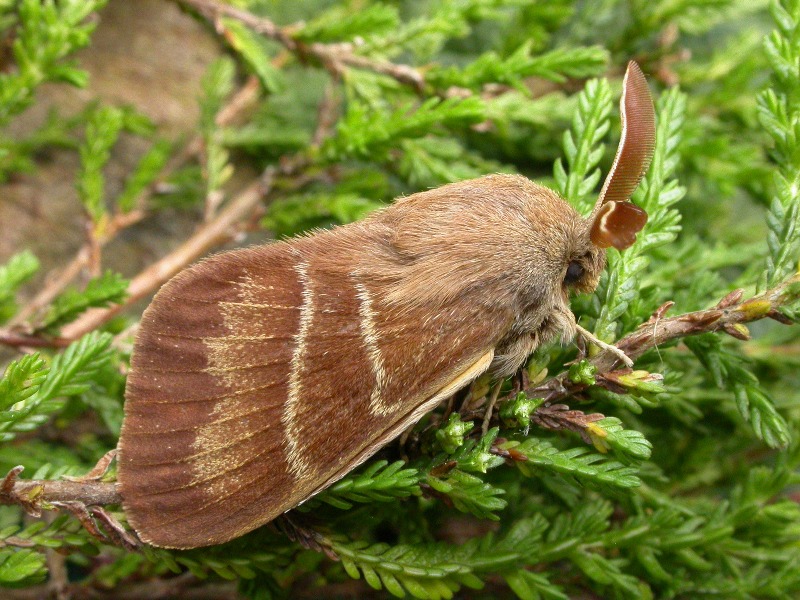
Moths of note from the 60sp recorded: Lime hawk (a red one), White-pinion spotted, Fox moth (males and females), Cream-spot tiger (a few), Lobster, Small elephant hawk (only one of this normally common species), Four-dotted footman, Tinagma ocnerostomella (1), Cochylis nana, Carpatolechia proximella and Lunar yellow underwing (2).
Packed up just after midnight as moths had just about stopped flying then. Best night of the year so far for me and hopefully things can only get better.

Neil

Fox moth male

Fox moth male

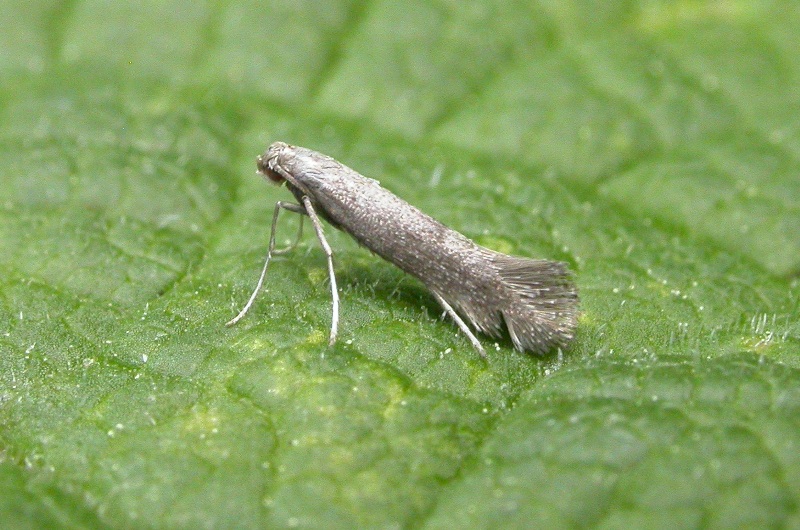
Tinagma ocnerostomella

Tinagma ocnerostomella

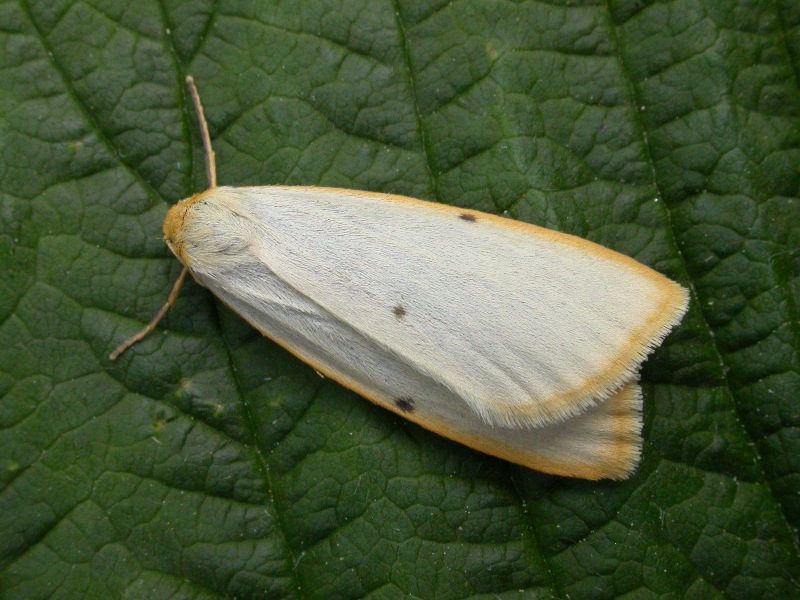
Four-dotted footman

Four-dotted footman

Posted in Events, Field meetings, Sightings | Comments Off

Things picking up slightly at last!

Finally, some warmer weather after the dismal conditions last week has started the moth numbers building. Been some interesting sightings that are reported below, as well as a reasonably successful meeting on Cavenham heath that will be in a seperate note.
As already reported, the invasion of Plutella xylostella has dominated moth news across the country. Best count here was 213 in one mv trap on the 1st June. Lower numbers after that and of course plenty seen in the daytime too. Next interesting find was also in the daytime. I checked round some old Birch stumps on the course from trees felled a few years ago, something I’ve done many times in the past, looking for exuviae of Large red belted clearwing. Never seen any before but did this time, found at least 6, so a new site record without seeing the moth!
Following this sighting, thought I’d give the LRB pheromone (Cul) a go just in the garden on the 4th when the sun finally came out. After about 10 minutes I spotted a clearwing coming in, but it wasn’t the expected species. It was a Red-belted clearwing! This is a new site record, amazing that I’ve added 2 clearwings to my site list in a few days.
Another nice daytime sighting today (6th), a Broad-bordered bee hawk feeding round Rhododendron flowers, my first sighting this year.
Now trap news. Not much seen on 1st or the 2nd, only around a dozen or so species each night. Did get Mullein on the 1st only the second site record of an adult. Only interesting species on the 2nd was Pammene argyrana. Few more sp on 3rd (27) with late first record for the year of Waved umber plus an Alder moth.
Hopefully with more warm weather numbers will build to more expected levels this week.

Neil

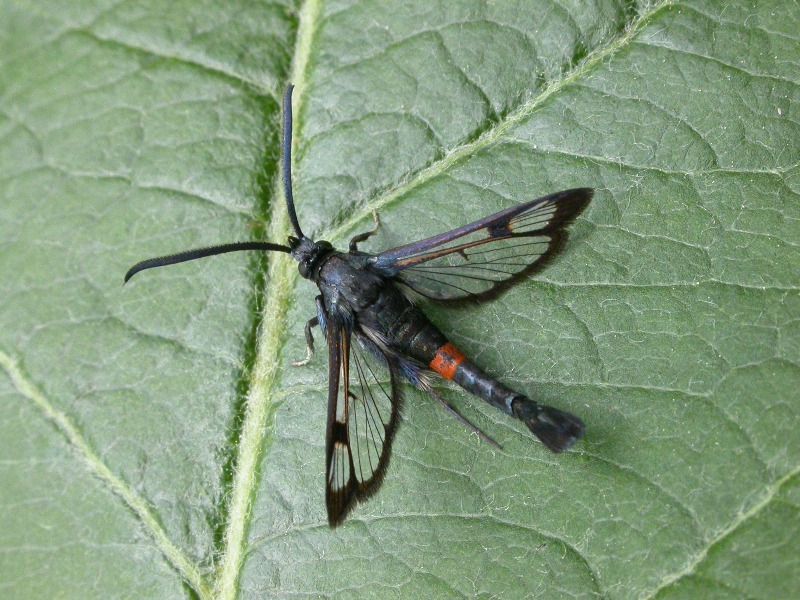
Red-belted clearwing

Red-belted clearwing

Posted in Sightings | Comments Off

Bio blitz at Africa Alive, Kessingland

Last night went pretty well with four traps placed along the woodland and Carr belt and the marshes with various antelope, deer and cattle enclosures.  I was accompanied throughout by park employees, who were most enthusiastic. Not much going on but for the most sheltered trap on the first round. Diamond-backs in midge numbers at another. 41 species in total the best being N. metaxella which is distinctly marked compared to the more commonly seen Nematopogon, and Oblique Carpet which was my favourite of the night. As I passed the Lion enclosure several times, I shall never forget the sight of the huge Lions, close to the wire, pacing alongside as I passed. Especially in the twilight and dark when you could barely see the mesh boundary between them and me!

Posted in Sightings | Comments Off